

Founder Interview with Aaron Martin, Aaron Martin Therapy
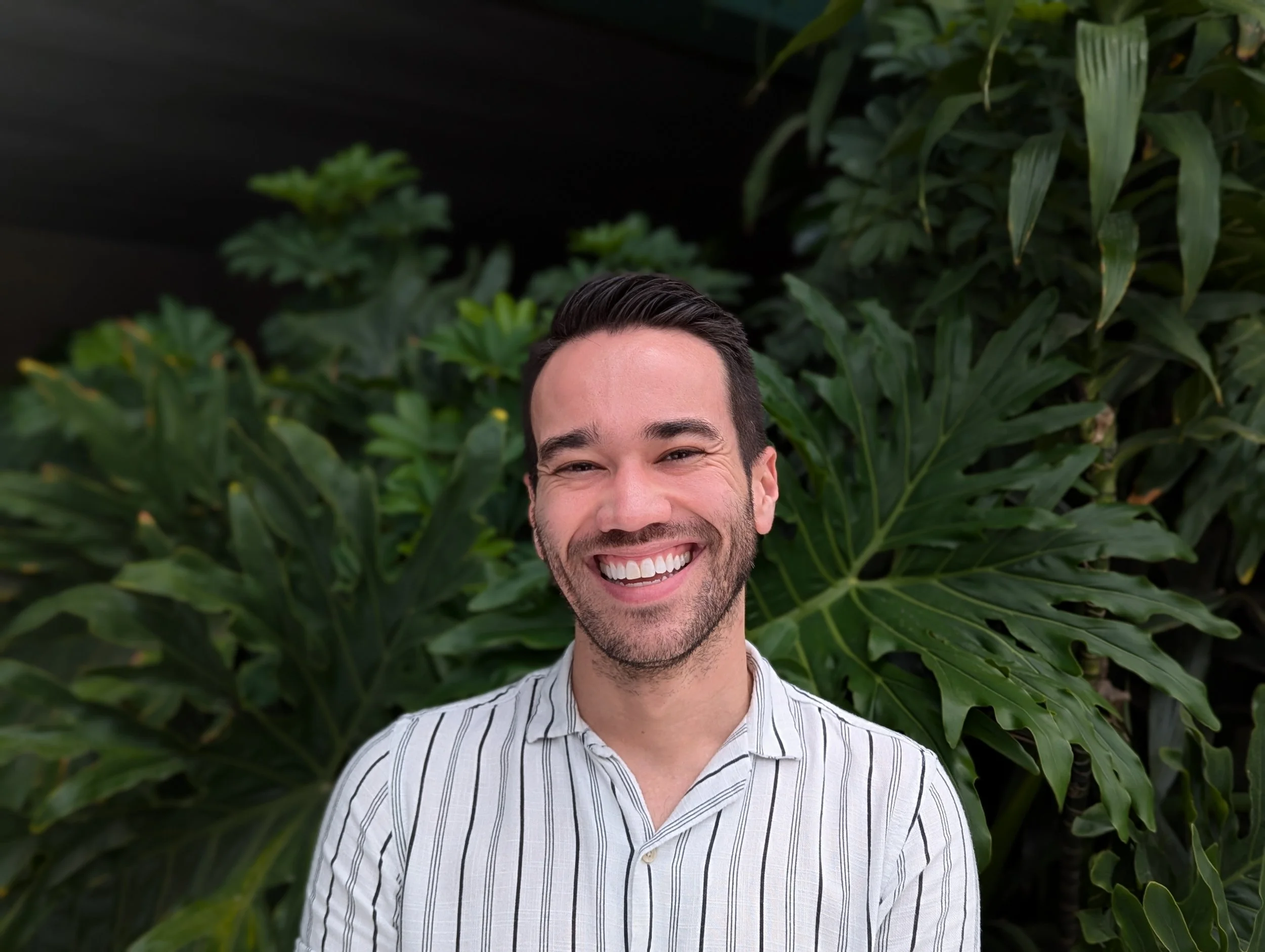
Photo Credit: Aaron Martin
At Aaron Martin Therapy, the focus is on creating an affirming, grounded space where queer individuals don’t have to explain the basics of who they are. Rooted in the belief that healing happens in community, Aaron’s approach centers on presence, connection, and the idea that we’re not meant to carry everything alone. Clients often express immediate relief in finding a therapist who just gets it, someone who brings both lived experience and clinical expertise to the table.
Aaron Martin’s path to becoming a therapist wasn’t linear. Growing up biracial to a single immigrant mother, college felt out of reach, and therapy was something distant both culturally and financially. But after discovering psychology and the quiet impact of being truly heard, Aaron found a calling. Now, with experience in nonprofits, higher education, and private practice, Aaron brings that whole journey to his work, offering care informed by identity, lived experience, and an unwavering belief in the power of showing up for yourself and others.
Check out the interview below!
Can you walk us through your professional journey and how you got to where you are today?
Growing up biracial to a single immigrant mother deeply impacted my relationship with others and my own racial and sexual identity. My parents graduated from high school, and I was unsure if higher education was for me. Moving to San Francisco, I allowed myself to explore my sexuality in comfort away from family (as young Queer folks often do). I was worried about how my parents, an ex-military father and a conservative mother, would take my coming out, and was pleasantly surprised by their responses.
While a school counselor once told me college "would not be an option," I now hold multiple degrees. I remember being in high school, really internalizing this awful advice from my high school counselor, and thinking it was true. In reality, I learned that I did not learn anything that interested me in high school. Once I started in the world of psychology, I fell in love.
I was a peer counselor in high school, and something about being present with people really resonated with me. It wasn’t about trying to fix people or find a solution. I was taught that listening to folks is really powerful. Fast-forward to my career in therapy, and this feels true. How often do we, as Queer folks of color, get a moment to breathe?
I have worked as a therapist across non-profits in San Francisco, taught as a San Francisco State University professor, and owned a small business for the last two years. Ultimately, my journey thus far has taught me that it's okay to be scared, to feel the weight of a risk, and to trust in yourself and take the risk anyway.
What inspired you to offer the services you provide?
I think of previous versions of myself—a queer youth, or a young adult in college—who could have benefitted from having a safe space to explore my own identity, but didn’t know how to access therapy or didn’t feel like it was for me. Growing up with an immigrant mother, therapy was something foreign and unobtainable in both literal and metaphoric ways.
Central to my practice is the value of community. I’m a firm believer that community supports our mental health, and I emphasize this approach with Clients. Our symptoms often convince us we’re alone in our struggles, but that just isn’t true. I’d argue that feeling perfectly fine in today’s world is what’s actually abnormal.
The most frequent comment I get from folks is “I’m so happy I don’t have to explain to you about being queer”. There are shared experiences that a queer therapist just understands. I always encourage folks to trust their instincts during consultations. After the call, take 30 seconds to reflect: Did you feel heard? Were you made to feel comfortable? What about the experience felt comforting? Research has shown that your relationship with your therapist is the biggest predictor of clinical improvement. Can you see yourself being authentic and vulnerable with this person? That matters more than anything.

Photo Credit: Aaron Martin
What is one of the biggest challenges you have faced in your journey as a service provider, and what did you do to overcome this?
As a therapist, my biggest challenge has been the systemic devaluing of the field of mental and behavioral health. As an employee, I have others dictating my worth and how many Clients I need to see per session.
As a small business, insurance companies are able to dictate how much my time is worth (down to the literal minute). It's been tough navigating systemic issues, and what's been helpful is that I am not the only one in this fight. I do not have to carry the weight of this alone and can connect with other therapists who feel just as strongly as I do and share this weight.
I wish I had a simple answer for how to balance those points of friction with my values. I think, as many people would agree, our current healthcare system doesn’t actually help us get better. That means we have to continue to advocate for a better system and continue to push back on these multi-billion dollar companies profiting off our pain.
For me, alignment comes not from resolving the tension entirely, but from continuing to show up with integrity, naming the harm, refusing to normalize it, and building community around a shared vision for change.
If you could give one piece of advice to future LGBTQ+ service providers within your field, what would it be?
There are so many different ways to support Queer folks in the field of mental health, and therapy is just one option. I would reach out to people in the field you're interested in and ask for 30 minutes of their time to talk about their experiences. Specifically to therapy, one thing I let folks know is the time and cost to become a therapist. It was required in my master's program to have two years of unpaid labor—post grad, I made a little more than I did solely with my bachelor's. Once you are licensed (about two to three years of work post-grad), the job world opens up.
How does being openly queer inspire or impact your business?
I think of being Queer as my superpower. The thing that used to bring me shame and guilt now helps me connect more deeply with others around me.
I market explicitly to Queer folks, and I'm often met with relief when folks can connect with me. I often hear, "my previous therapist was great, but they just didn't get it, because they weren't Queer."

Photo Credit: Aaron Martin
What brands or services by LGBTQ+ founders are your go-tos and why?
I love Simon Malvaez's art! He's a Mexican, Queer artist who used to be based out of San Francisco. I even got him to design my logo, and he was such a dream to work with.
Who is your favorite LGBTQ+ celebrity or figure, and why?
Currently obsessed with Omar Apollo - his music is so sweet and tender and everything in between.
Can you share one fun fact about yourself?
I saw the Spice Girls in Los Angeles in 1998 right after Ginger left. My little gay self was spicin' up my life!
