

Founder Interview with Pascale Joëlle (PJay), Hello Gender
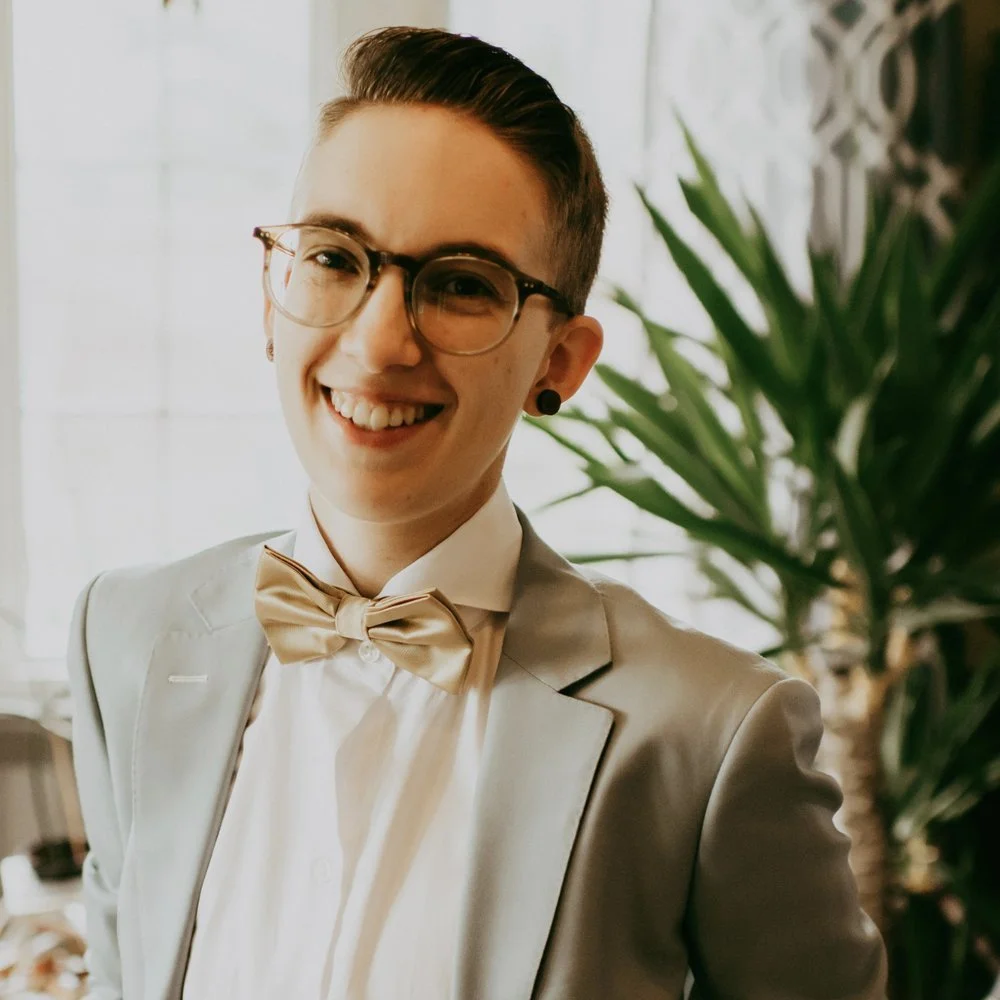
Photo Credit: Pascale Joëlle (PJay), Hello Gender
Pascale is the Founder of Hello Gender, a heart-centered initiative that supports trans, nonbinary, and questioning youth and their families through one-on-one guidance, education, and gender-affirming planning. Raised in a rural town with little access to queer representation, Pascale’s personal journey toward understanding their nonbinary identity laid the foundation for the work they do today. Their lived experience, combined with their background as General Manager at the Fédération des Jeunes Francophones du Nouveau-Brunswick, fueled a desire to make gender identity resources more accessible and compassionate. With Hello Gender, Pascale is on a mission to ensure that no young person or parent has to navigate their gender journey alone.
During the interview, Pascale opened up about how their coming-out process inspired the services they now offer through Hello Gender. They shared how their work has evolved from helping parents understand their children’s experiences to partnering with businesses and nonprofits to foster truly inclusive spaces. Pascale also reflected on the challenges of addressing fear and resistance in conversations about gender, and how they meet those moments with curiosity and care. Whether they’re leading a workshop or supporting a family in crisis, Pascale brings authenticity, empathy, and lived experience to every interaction, ultimately helping others feel seen, supported, and safe to be themselves.
Check out the interview below!
Can you walk us through your professional journey and how you got to where you are today?
I grew up in a rural town with very little access to information. As a kid, I never really saw anyone who looked like me or felt the way I did—or at least, no one I could relate to. The only exposure I had to the 2SLGBTQIA+ community was a student at my school who was openly gay. He faced relentless bullying, and the moment he graduated, he left for Ottawa and never came back. That was the reality I knew for the first 20 years of my life.
Everything changed when I went to university. For the first time, I was surrounded by a more diverse community and began meeting people who were part of the 2SLGBTQIA+ spectrum. That’s when I started to realize that there were actual words to describe what I had been feeling my whole life. I discovered the term "nonbinary" and, from there, immersed myself in research, trying to understand why I never fully identified as either a woman, which I was assigned at birth, or a man. Transitioning completely never felt right to me, but I also didn’t fit neatly into the categories I had grown up with. Bit by bit, I pieced together my identity.
While I was on this personal journey, I secured a job as General Manager at the Fédération des Jeunes Francophones du Nouveau-Brunswick. My role involved addressing key issues affecting Francophone youth, and one of the concerns that kept coming up was the severe lack of resources for trans youth in French. That really got me thinking. I had gone through the struggle of finding information, seeking support, and even navigating the private sector to get the documentation needed for gender-affirming care, like my top surgery. I knew firsthand how isolating and difficult that process could be.
That’s when I decided to take all my experiences, the struggles, the research, the insights, and channel them into something bigger. Entrepreneurship had always been at the back of my mind, and I felt a deep calling to do more. That’s why I founded Hello Gender. The mission is simple: to help young people who feel lost, who question whether they belong, who are searching for answers but don’t know where to turn. I want to provide the resources I wish I had, support them in their journey, and work with families to create safe spaces where they can truly thrive as their authentic selves.
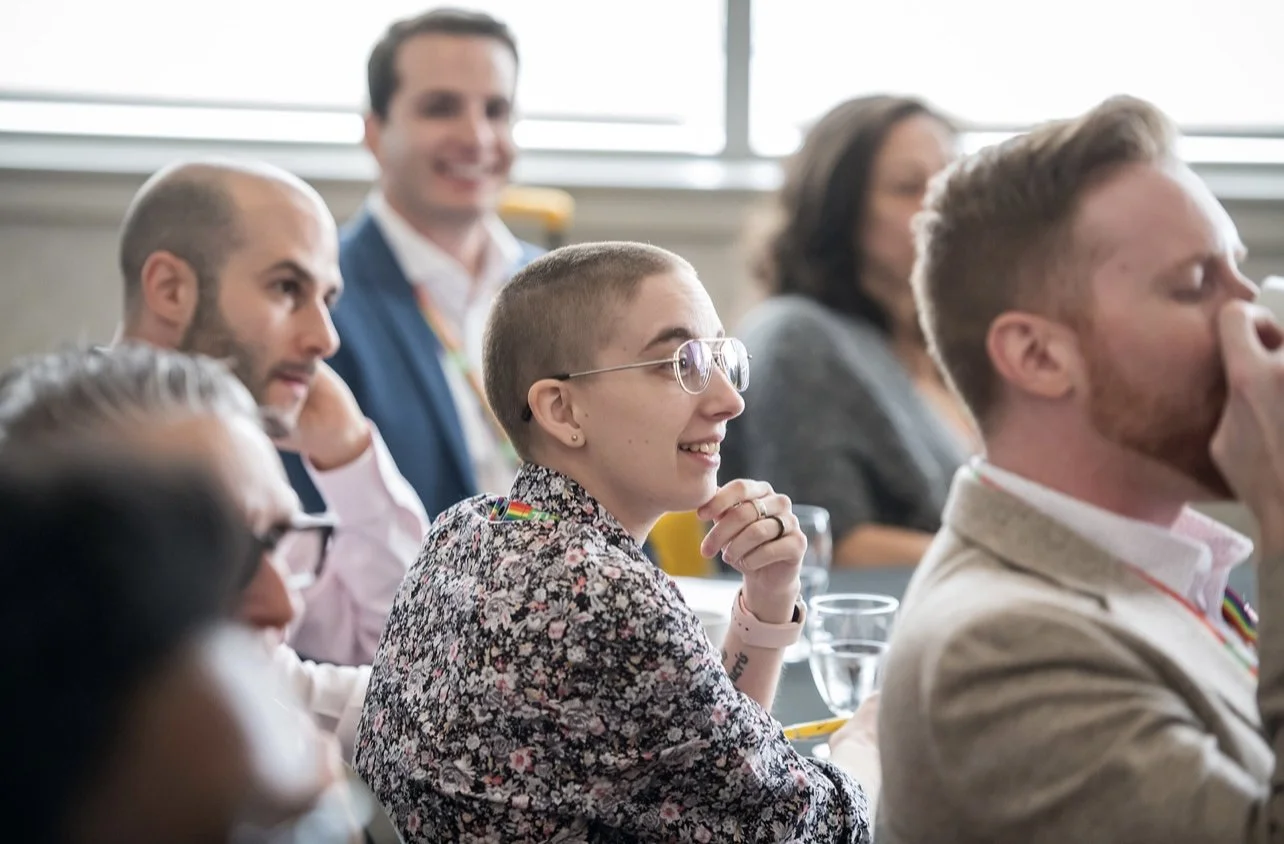
Photo Credit: Pascale Joëlle (PJay), Hello Gender
What inspired you to offer the services you provide?
Beyond my desire to give back to my community and support youth in discovering who they are, I’ve always had a deep-rooted drive to help others. At the core of my work is a commitment to making information about gender identity accessible, easy to understand, and readily available to the people who need it most.
I want folks, especially young people and their families, to feel less alone in their journey and to know there’s guidance out there rooted in care, lived experience, and respect.
That’s why I also specialize in gender-affirming planning in addition to offering one-on-one sessions for youth, parents, and families. This can take many different forms. Sometimes it means sitting with a family and walking them through their child’s first questions about gender. Other times, it looks like leading workshops for business leaders or training teams on how to create environments rooted in genuine inclusion and belonging, especially for 2SLGBTQIA+ individuals, and particularly for trans folks. For me, it’s not just about raising awareness. It’s about creating spaces where people can feel safe, affirmed, and truly be themselves.
Over the past few years, I’ve seen a clear shift, not necessarily in how many people reach out, but in who’s reaching out and why. When I first launched Hello Gender about three years ago, my work was primarily with parents. That was the foundation of it all: helping families understand what their kids were going through, answering those early questions, finding affirming healthcare providers, and just being a steady, non-judgmental presence during a time that can feel really overwhelming. Through that, I got to connect with a lot of youth, which was incredibly meaningful.
But things changed pretty significantly in September 2023 after the Million March for Children. That moment shook the country. Schools pulled back from talking openly about 2SLGBTQIA+ topics, GSAs (Gay-Straight Alliances) started to disappear, and teachers grew scared to even bring up the conversation. With that shift, I noticed some parents becoming more hesitant or less visible when it came to seeking support.
At the same time, something else happened; businesses and nonprofit organizations started reaching out more. They wanted to know how they could support their employees, many of whom are parents to queer or trans kids. They also wanted to make sure they were better serving diverse communities and creating inclusive workplaces. So gradually, the focus of my work began to expand in that direction.
Now, much of what I do involves working with companies and nonprofits. I lead workshops on inclusive language, how to support a trans employee who comes out at work, and how to create a workplace culture that’s truly respectful and affirming. But even in these professional settings, I still find myself connecting back to families. It’s common for someone to come up to me after a session and say, “Actually, my niece is trans,” or “My kid might be exploring their identity—could you help?” So even though the entry point has shifted, I’m still reaching those families. It just looks a little different now.
Ultimately, the demand has changed, but the heart of the work is the same. It’s still about creating safe, informed spaces where people feel seen, heard, and supported. And in some ways, this broader reach through workplaces and organizations allows the impact to ripple out even further.
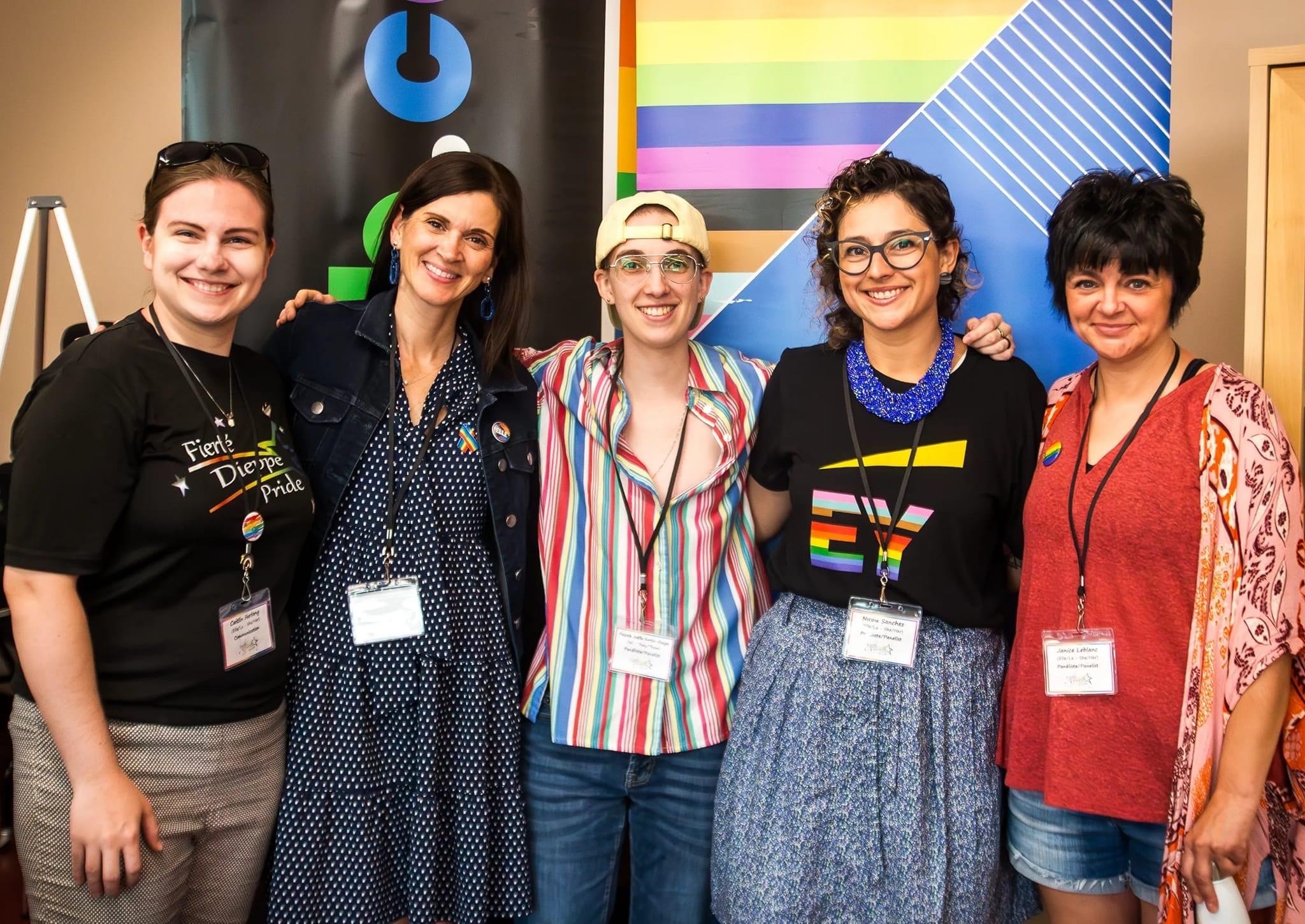
Photo Credit: Pascale Joëlle (PJay), Hello Gender
What is one of the biggest challenges you have faced in your journey as a service provider, and what did you do to overcome this?
One of the biggest challenges I’ve faced as a service provider is navigating the fears and insecurities that people bring into the room. Whether I’m giving a keynote or leading a workshop, I know not everyone is ready for conversations around gender identity and inclusion. People carry their own beliefs, biases, and discomforts, which can create real resistance to what I’m sharing.
I’ve come to understand that a lot of that resistance is rooted in fear. Fear of change, fear of judgment from their communities, or fear of what it might mean to question deeply held values. That’s why I always lead with curiosity. I ask, “Why does this topic feel sensitive to you?” or “What in your values is being challenged right now?”
I’ll keep asking “why” until we move past surface-level reactions and get to the heart of the matter. It doesn’t help anyone if I just throw information at them without understanding where they’re coming from.
This kind of emotional work can be heavy for both me and the people I’m engaging with, but it’s worth it. Sometimes, the best I get is, “I’m not ready to change, but I get it more now.” And that’s enough. Of course, some folks are completely closed off and respond with hate. I don’t meet that with more anger but with love. Because often, that hate comes from a place of pain or unhealed experience. I try to leave the door open and say, “You’re not ready, and that’s okay. I’ll be here when you are.”
One moment that really stands out is when I spoke at the school I attended as a child. After my keynote, I took my shirt off in a moment of personal expression, which I felt was natural and empowering after top surgery. But some parents complained, feeling it was inappropriate. It was a powerful reminder of how much work we still have to do to normalize trans bodies, but also a lesson in reading the room and making sure my actions align with my goals in that space.
And then some moments are just unexpected. In one workshop, I talked about how certain female lions produce more testosterone and grow manes, taking on male roles in the pride. Someone left that session believing she was a “trans mono-parental person” because she was raising her child alone. It was wild, but harmless, and reminded me how important clarity is in communication. It also made me laugh.
Every session teaches me something new. My clients, whether receptive or resistant, help me refine my work. Their questions, reactions, and even misinterpretations inform how I move forward. I couldn’t do this work without them. And while some responses are tough, they push me to grow, and ultimately, they reinforce why I keep showing up: to foster understanding, spark change, and hold space for people to truly be themselves.
If you could give one piece of advice to future LGBTQ+ service providers within your field, what would it be?
My one piece of advice for future LGBTQ+ service providers in this field would be to stay true to who you are. Be vulnerable and authentic, but also know where to draw the line to protect your well-being. The work we do can be incredibly intense—it demands not just our intellectual energy but our emotional investment as well, as we strive to create a more inclusive world where everyone can belong.
However, it’s crucial to remember that we can’t pour from an empty cup. If we’re not taking care of ourselves first, we won’t have the strength or resilience to continue this important work in the long term.
So, take care of yourself. Self-care isn’t a luxury; it’s a necessity if we want to be effective and sustainable in the service we provide.
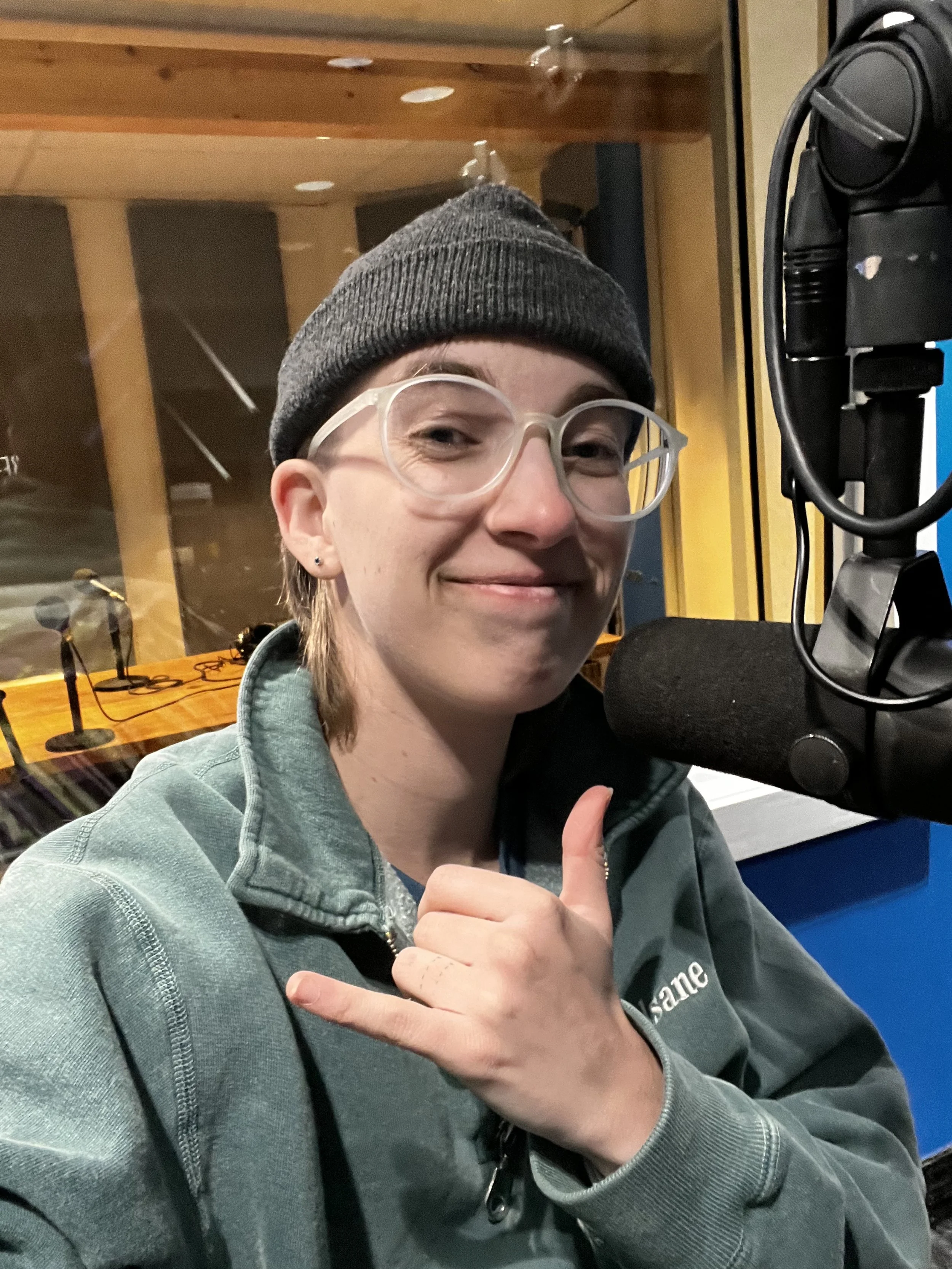
Photo Credit: Pascale Joëlle (PJay), Hello Gender
How does being openly queer inspire or impact your business?
Being openly queer is everything to my business. My work wouldn’t be as impactful or meaningful if it weren’t rooted in my own experience. Being openly trans and queer is the foundation of Hello Gender, it’s what drives the authenticity behind the information I share and the connections I make. It’s intrinsically tied to who I am, my business, and my work.
Without that openness, the impact of my work wouldn’t be the same. My lived experiences give me the insight and understanding to support others on their journeys, and that makes all the difference in creating spaces that truly resonate and foster change.

Photo Credit: Pascale Joëlle (PJay), Hello Gender
What brands or services by LGBTQ+ founders are your go-tos and why?
I love supporting queer-owned businesses, and I’ve got a couple of favorites from both coasts of Canada that I always recommend.
First, on the East Coast, Our Landing Place is my go-to for queer-centered therapy. Founded by an openly queer therapist, it’s an online space, and they’ve created an incredible, sex-positive, inclusive, and queer-affirming therapy collective. There’s a wide range of providers who truly believe that you never need to justify your existence. Everyone deserves to live authentically, whether that means expressing yourself loudly or within the boundaries that feel right for you. Even if you don’t feel worthy in the moment, they’ll help you realize that you are, and always will be. It’s such a gem on the East Coast.
On the West Coast, I’m a huge fan of Peau de Loup (PDL), a gender-neutral clothing brand based in Vancouver. It was founded by two lesbians who were looking for clothing that fit their style without the restrictions of typical men clothing. They wanted more masculine clothes that fit a woman’s body, but it has since expanded to offer apparel for everyone. Their collection, from button-up shirts to tops, bottoms, and accessories, helps you feel comfortable and confident in your skin. It’s a brand that truly makes you feel better about yourself.
So, if you're looking for great queer-centered therapy or some awesome gender-neutral apparel, these two businesses are definitely worth checking out!
Who is your favorite LGBTQ+ celebrity or figure, and why?
Oh, Alok Vaid-Menon, without a doubt. They are a poet, humorist, and artist, and everything they do resonates deeply with the way I see life. Alok’s work, whether it’s their writing, performances, or artistic expressions, always feels authentic and profound.
I highly recommend checking them out—especially their recent comedic show Biology. It’s truly worth a watch. Alok also has a wonderful handbook that dives into understanding queerness and transness, and it’s an excellent resource I suggest to anyone looking to learn more.
Alok holds a very special place in my heart for the incredible impact they’ve had in the community and beyond.
Can you share one fun fact about yourself?
I’m a geek through and through—especially when it comes to Pokémon! I absolutely love geeking out with my friends over opening Pokémon card packs. It's something that has grounded me throughout my life and provides a sense of escape into a wonderful world.
I was a huge fan of Pokémon Go when it first came out and I’m still playing to this day. I collect cards, play the video games, and I’m part of a fantastic community of friends who share this passion. It’s a lot of fun, and it’s something I really enjoy having in my life.
On top of that, it’s worth mentioning that there are a lot of queer folks in these spaces. It’s a safe, supportive environment, and we need places like these where we can express ourselves in different ways. Because, at the end of the day, we’re more than just our identities, right?
So yeah, I guess you could say I’m a geek—and proud of it!
