

Founder Interview with Eliana Mendez, Human-Centric Photography & Videography
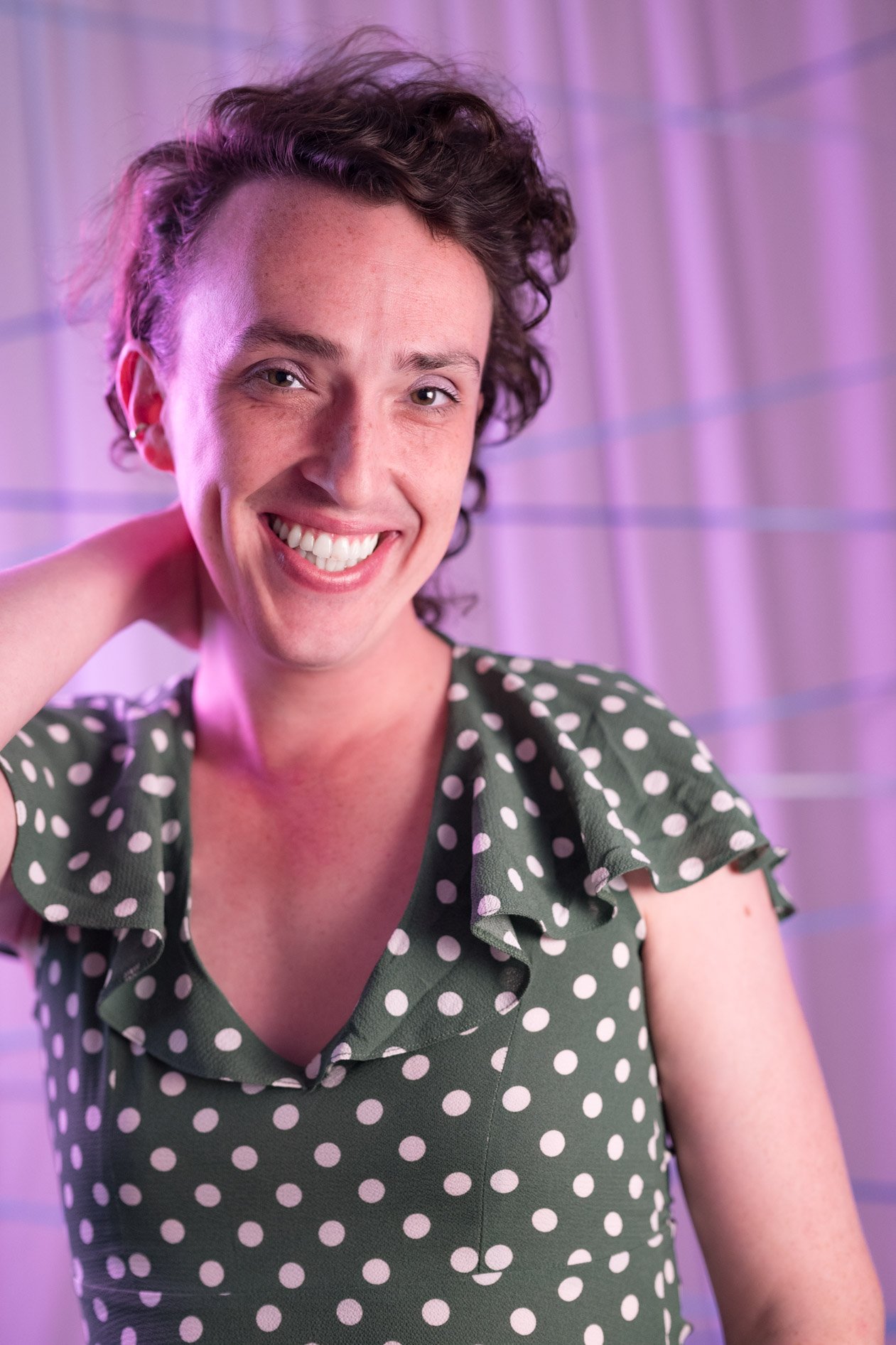
Photo Credit: Eliana Mendez
Eliana is the founder of Human-Centric Photography & Videography, a creative practice focused on capturing people, movements, and moments with honesty, care, and intention. Rooted in a deep commitment to community, queerness, and anti-oppressive values, Eliana built the business after years of navigating white-dominated creative spaces that demanded silence and assimilation. Their work blends journalism, visual storytelling, and digital strategy to amplify voices that are too often overlooked. Through their Human-Centric practice, Eliana creates space for people to be seen, not just aesthetically, but authentically.
During the interview, Eliana shared the pivotal moments that shaped their journey, like getting fired from a supposedly progressive workplace for refusing to stay quiet about injustice, and how that moment led to launching their own business. They talked about growing up in the tension between inherited male privilege and a deep-rooted instinct to call things out, and how that complexity shaped their approach to leadership and voice. Eliana opened up about how embracing their queerness, cultural roots, and personal grief has deepened their creative clarity. What emerged was a powerful story of someone who refuses to water themselves down and who’s building a career by helping others do the same.
Check out their interview below!
Can you walk us through your professional journey and how you got to where you are today?
I'm a human-centric photographer and videographer based in Portland, Oregon, with roots in Queens. My father was a New York street photographer and darkroom technician, and I caught the journalism bug early, serving as the editor-in-chief of my high school newspaper before earning a BA in journalism from Northeastern University in Boston. These foundational experiences have shaped my approach to media production, where I focus on authentic stories, human expression, and relationship-building rather than relying heavily on technology. My work seeks to minimize the distance between me and my subjects, centering their voices and the atmosphere around them.
I founded my LLC in 2017 and opened my portrait studio in 2020. Today, much of my work revolves around community impact organizations, policy-based nonprofits, and government agencies. Values alignment is essential in my work, and my perspective is deeply influenced by my experience as a Puerto Rican trans femme. Although my family on that side has long passed, their teachings of love and joy continue to shape both my personal and professional life. I believe they'd be proud of what I've built.
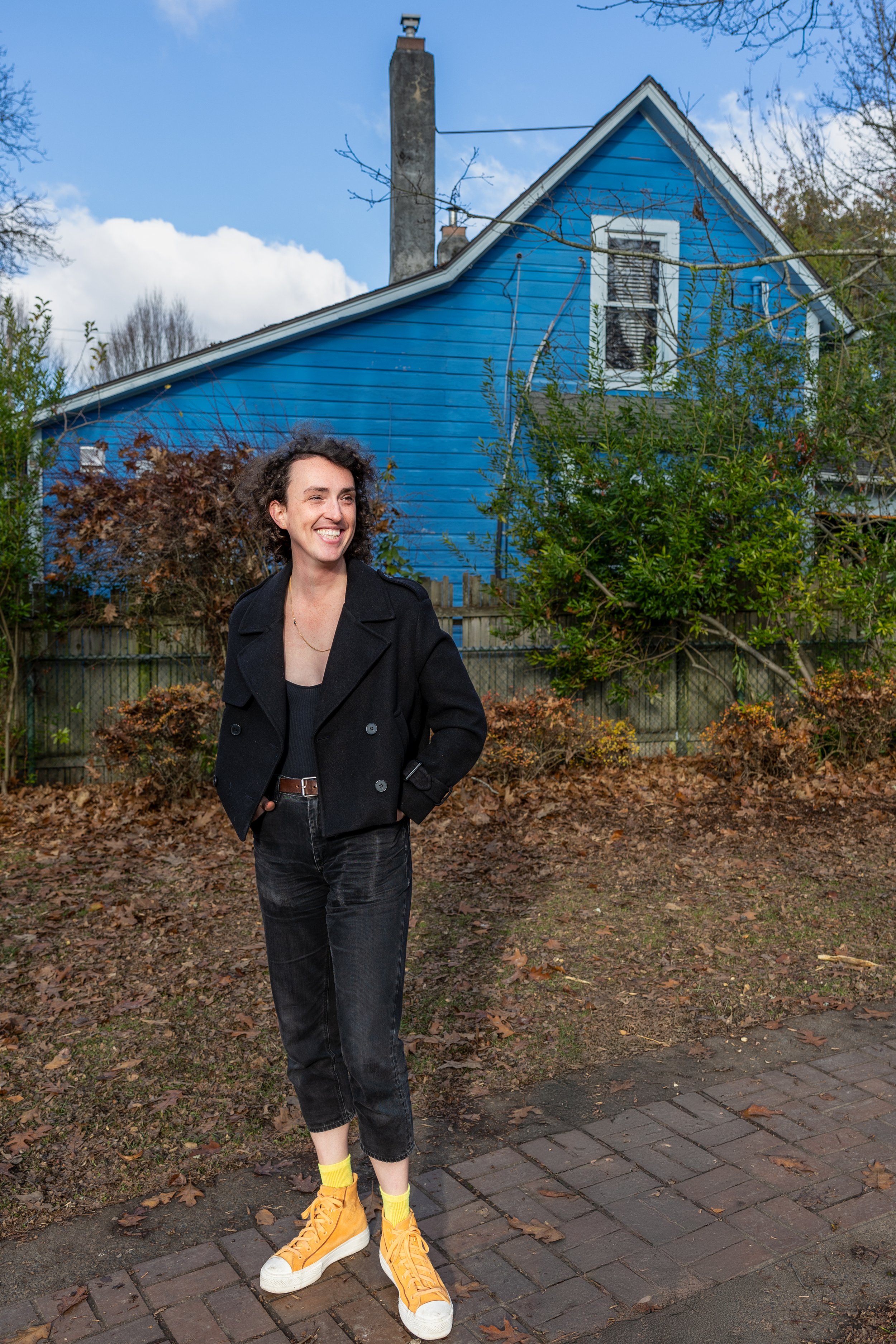
Photo Credit: Eliana Mendez
One of the most impactful projects I've worked on was with the Northwest Health Foundation, an organization focused on improving community health through institutional approaches. This partnership, especially my work highlighting the Justice Reinvestment Equity Program (JREP), was a turning point for me. JREP channels state funds into nonprofit organizations that provide reentry services, youth violence prevention, and arts training. I was able to travel around the state, creating videos that highlighted the vast network of support provided by state and nonprofit organizations. These videos not only painted a broad picture of the social safety net but also showcased the incredible, authentic stories of the people behind these organizations.
One example that stands out is Tayas Yawks, a community program in Klamath Falls that focuses on reentry and drug treatment, primarily for the Native population there. Tammy, who leads the program, didn’t expect to be doing this work, but she stepped in because of her deep care for the community and its relationships. By giving people like her a platform to share their stories, we were able to make the media compelling and authentic. This project reaffirmed my passion for creating media that empowers individuals and organizations that are purpose-driven. It made me realize that this type of work might be my life's calling—creating media that truly showcases voices like those of Tammy and her community leaders. The success of that project showed me the power of authenticity in media. The real personalities cut through the noise of wonky policy details and the constant flood of bad news. I'm incredibly proud of that work and it’s shaped how I approach all of my projects moving forward. It’s a reminder of the immense value in connecting with people and telling their stories with integrity.
What inspired you to offer the services you provide?
The best feedback I get from clients is that they see themselves in the images; their true character, nature, and vibe. I work HARD to honor that in every project, because I believe real human stories are always more compelling than anything scripted. Supporting people as they speak from the heart is the key to engaging media, and that principle has shaped so much of my work, from short videos and commercial content for entrepreneurs to community-driven projects with local nonprofits. I care deeply about Portland and leaving a positive impact here; this work is one of the ways I strive to do that.
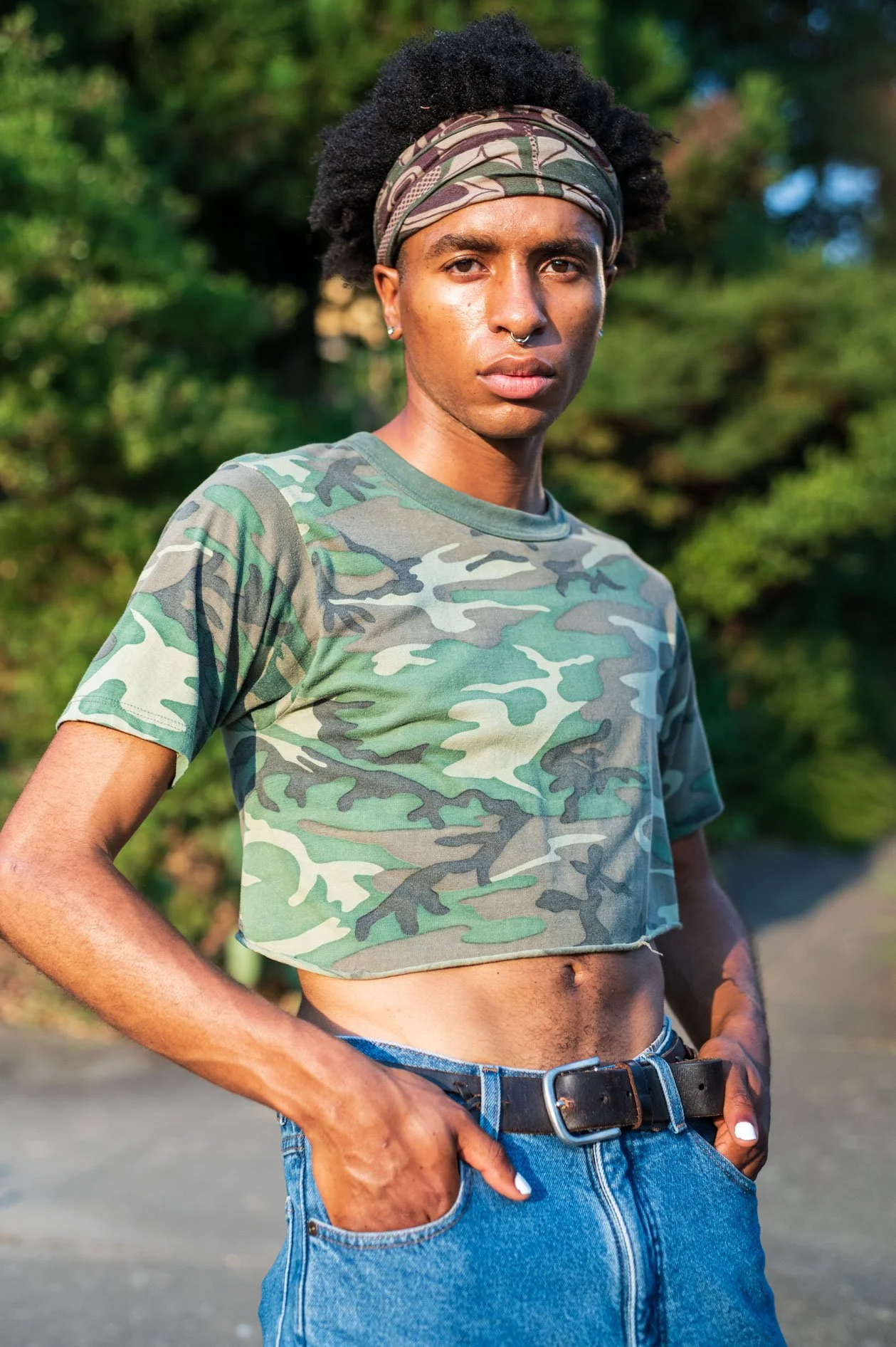
Photo Credit: Eliana Mendez
If you'd asked me how I create that kind of impact at different points in my life, I probably would’ve had different answers. But right now, I think it comes down to something pretty simple: being willing to sit with feelings. I don’t deflect with humor or rush to fill silence with anecdotes. I try to create space for feelings. And that kind of presence, that willingness to just be with someone in whatever they’re bringing, has had this beautiful effect of attracting the people I want to be around, both professionally and personally.
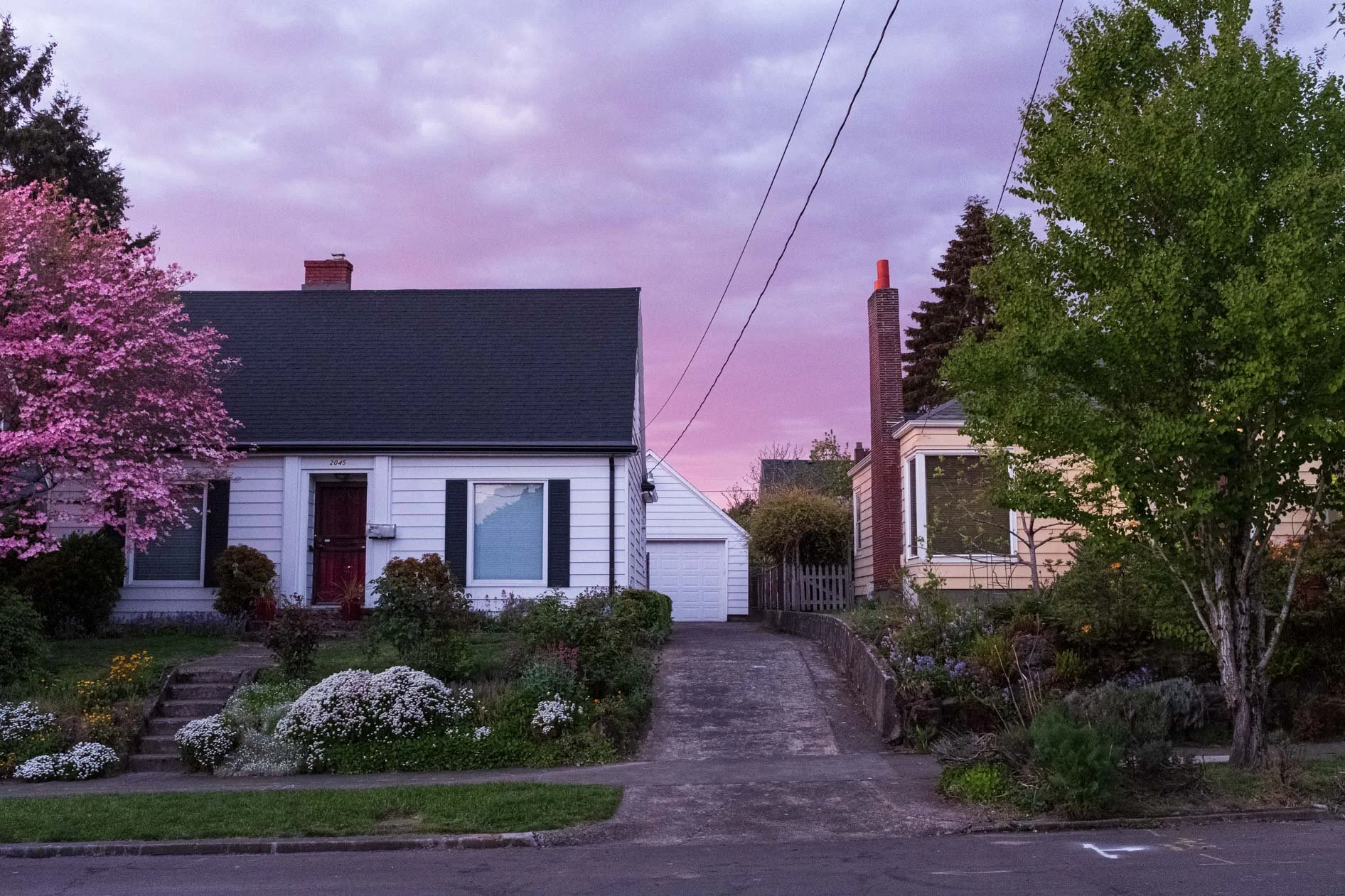
Photo Credit: Eliana Mendez
It’s all about making the experience about them. These days, I’m working on being more intentional about what that process actually looks like. In the past, I leaned a lot on the vibe—“I’m great, my photos are great, let’s go”—and I’m realizing I want to be clearer about how we get from start to finish. It begins with strategy, with real conversation. Because every interaction, even a ten-second one at an event, shows up in the final image. How someone felt when they were greeted, whether I was truly curious about them, that’s all part of it. I came to this work by being genuinely interested in how people live their lives, how they think, and what they feel. But being that emotionally present can be intense. It scares people sometimes. And that’s okay. I’ve made peace with the fact that not everyone wants that level of intimacy in the creative process.
And honestly, it’s helped me define a niche in an industry often dominated by gear talk and tech bros. I don’t really lead with technical specs. I don’t need to. My work is rooted in relationships, not the gear bag. I felt that really sharply during this PR shoot I was part of, a grant video with Comcast. These guys rolled in with their van, their cameras, and their script already written. They knew what they wanted me to say, and they just needed a queer face to say it. I said the line. I felt awful. It was performative, and it wasn’t me.
That experience pushed me to move even further in the opposite direction. To strip away my assumptions and give people the space to show up as themselves. I’m not perfect at it. I still get nervous, but I learned in journalism school that if you leave a pause, someone will usually fill it with something real. That’s what I aim to capture in my photo and video work. Those moments of truth. When people feel safe enough to be genuine, it shows. And that’s where the magic lives.
What is one of the biggest challenges you have faced in your journey as a service provider, and what did you do to overcome this?
To be honest, the biggest challenge I’ve faced in my creative and professional journey has been learning to navigate white supremacy. Out here on the West Coast, I pass as white in a lot of rooms, and it always plays out the same way. There’s this unspoken list of topics I’m not supposed to bring up if I want to keep my so-called “passing privileges.” That dynamic has always clashed with my values, my personality, and especially my journalistic instincts. Early in my career, I struggled with that dissonance. I carried around so much internal conflict, conflict with fascist thinkers, with people pleasers, with folks who thought the way forward was to just keep your head down. The worst part? I believed them when they told me I couldn’t be fully myself and still make a living.
The most significant turning point in my career came when I let go of those relationships for good.
I leaned hard into my authentic voice and doubled down on amplifying the voices of marginalized people in my community. That shift has intersected deeply with my journey in queerness and gender, but the clarity I’ve found in relation to power, specifically white supremacist power, has been the most transformative learning of my career, hands down.
And when I talk about white supremacy, I don’t mean it in a way that centers me as its main target. It’s just when something feels off, I say something. That’s just who I am. But in so many environments, especially professional ones, you’re not supposed to do that. And I kept finding myself in places where that fundamental instinct to speak up got me in trouble. I was in a long-term relationship for seven years, and the main wedge between us was exactly that: one of us wanted to name things when they were off, and the other didn’t. That dynamic ended up testing not just the limits of the relationship but also pushing me to ask some deeper questions about myself. Like, if the world around me wants me to stay silent, where did I learn to speak? Where did that impulse come from?
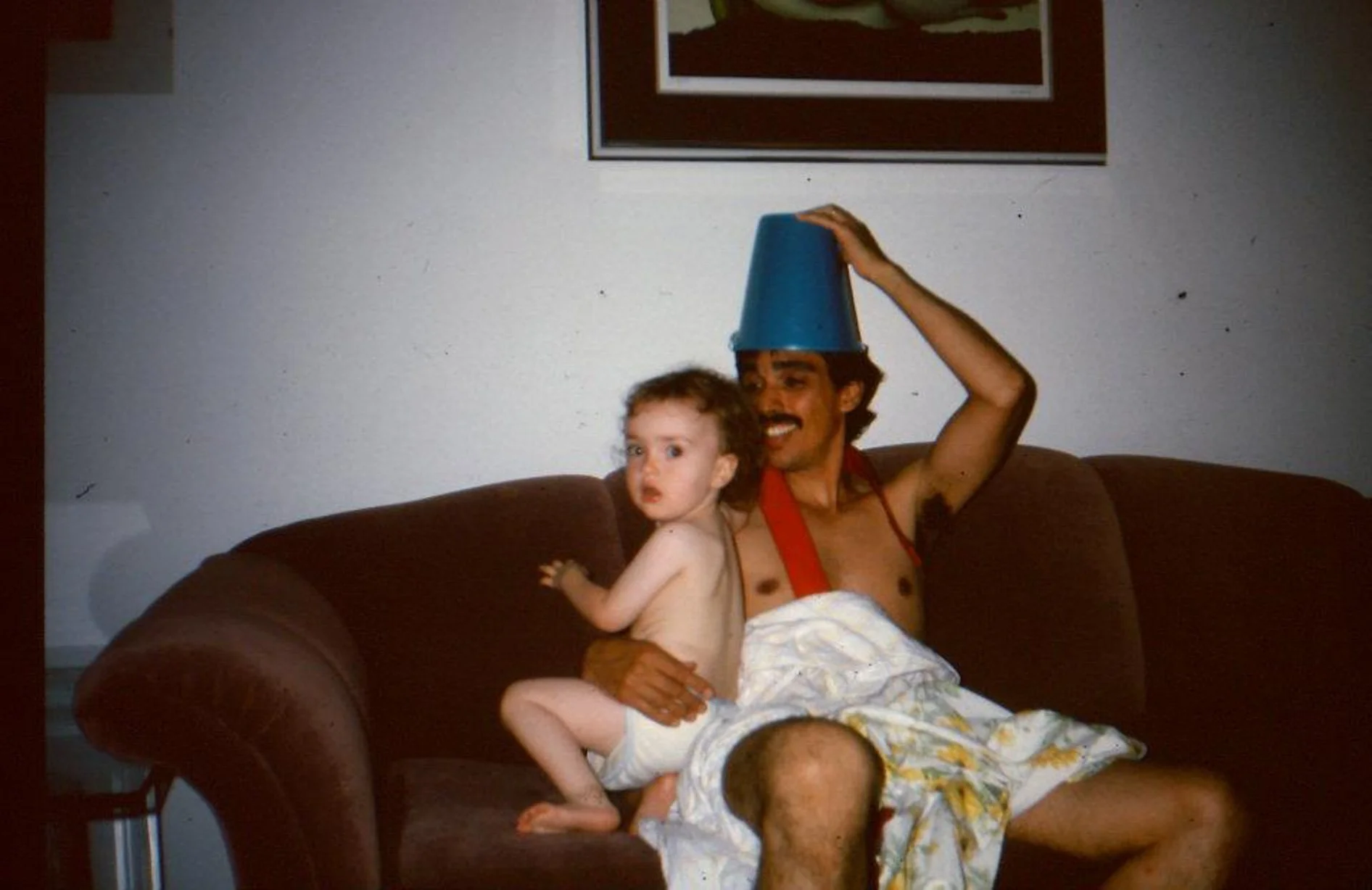
Photo Credit: Eliana Mendez’ Family
That reflection brought me back to my Puerto Rican roots. I thought about my dad and my grandmother, how they had this way of cutting through the noise, of being real, of letting their joy and directness just shine through. They didn’t apologize for who they were. Thinking of them feels like a warm light, and realizing that they were the ones who taught me what love looks like, what connection looks like, was a huge moment for me. That’s the part of myself I decided to fully embrace. It’s what guides how I relate to others, how I create, and how I move through the world. Everything else I’ve discovered about myself has flowed from there.
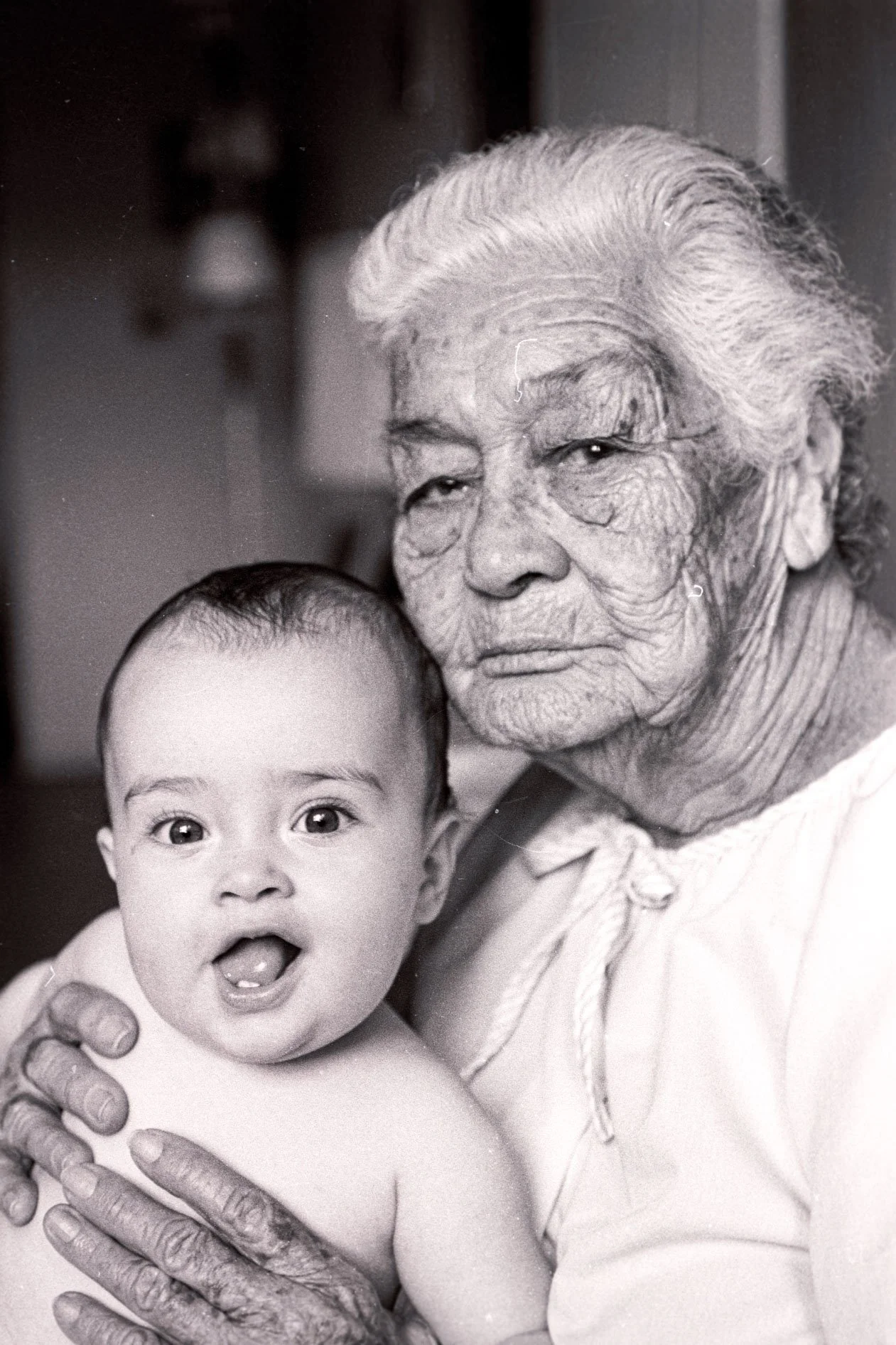
Photo Credit: Eliana Mendez’ Family
Last summer, I danced. Like really danced more than I had in years. And that experience helped me reconnect with my haptic voice, that gut-level knowing that doesn’t have to be filtered through performance or self-consciousness. Dancing gave me a glimpse into what it means to just be, without having to intellectualize or justify it. And I’ve been working to bring that same spirit into more areas of my life. I don’t share this to be a sob story, but the truth is, a lot of things in my life hit the fan early. I lost my dad when I was a teenager, and not long after, my mom moved out of the country. That kind of upheaval pushed me into growing up fast. I had to figure out how to love myself, how to carry myself in a way that was whole and nonjudgmental, because there really wasn’t anyone else there to model that for me. I think those experiences, while painful, were foundational.
If you could give one piece of advice to future LGBTQ+ service providers within your field, what would it be?
If you don’t speak up for the value of your perspective, no one else will—and that’s especially true for LGBTQ+ creatives. There are so many subtle and not-so-subtle forces that push us to devalue our thoughts, our feelings, our creative input. They’re afraid of our clarity and our power. When you can show yourself real love, when you can stand behind the way your journey has shaped your work and message that fearlessly, everything opens up. The people who respond to that? They will change your life.
That said, I’ll offer a weird caveat before I tell this story: it’s complicated.
I grew up clashing with misogyny from an early age, but I was also raised with a lot of male privilege. I grew up believing I could speak whenever, however, as much as I wanted. So, part of my evolution has been about rejecting that entitlement while also holding on to the right to take up space—just in a way that feels more grounded, more intentional.
Back in early 2017, right after Trump was elected, I was working at a politically branded creative staffing firm—we literally called ourselves The Creative Party—and I was the community manager. I was doing content marketing, organizing events, and trying to embed political consciousness into our community work. I really thought I could leverage the respect I had at the office—like, I was the “cool” one they’d ask about my dating life—and use that to do something meaningful. I tried to turn our holiday party into an ACLU benefit. I organized volunteering across the street at New Avenues for Youth. I even strong-armed everyone into a food drive—like, here’s the bin, sorry, no opt-outs. I remember walking to the grocery store on my lunch break, buying cans, and performatively dumping them in because no one else was contributing. It was a bit much, but I meant it.
Things started to fray when conversations around Trump started veering into this weird nostalgia for George W. Bush. You know the vibe—like, “he was a sweet grandpa compared to this.” And I’d always be the one to bring up Iraq. I wasn’t trying to be combative, but I wasn’t going to pretend that man didn’t start a war based on lies. They hated it.
Then came the breaking point: that Kendall Jenner Pepsi ad, the one where she hands a soda to riot cops and world peace is apparently achieved. There was this blog post circulating that blamed the whole fiasco on the in-house creative team. I looked up the agency who was criticizing them—bunch of white folks. I thought, you would’ve made the exact same mistake. You’re missing the point. So I tweeted at their CEO, calling it out. Nothing wild, just, “Hey, seems like you’ve got the same blind spots.” My bosses were furious. Apparently, they were monitoring my personal Twitter account, and suddenly I was in a sit-down meeting where my manager told me, “It seems like you want to be an activist.” And I was like, “Yeah, I do and I think I can carry that into my work.” The following Monday, I went to grab a snack, and my email stopped working. I knew right then I was fired.
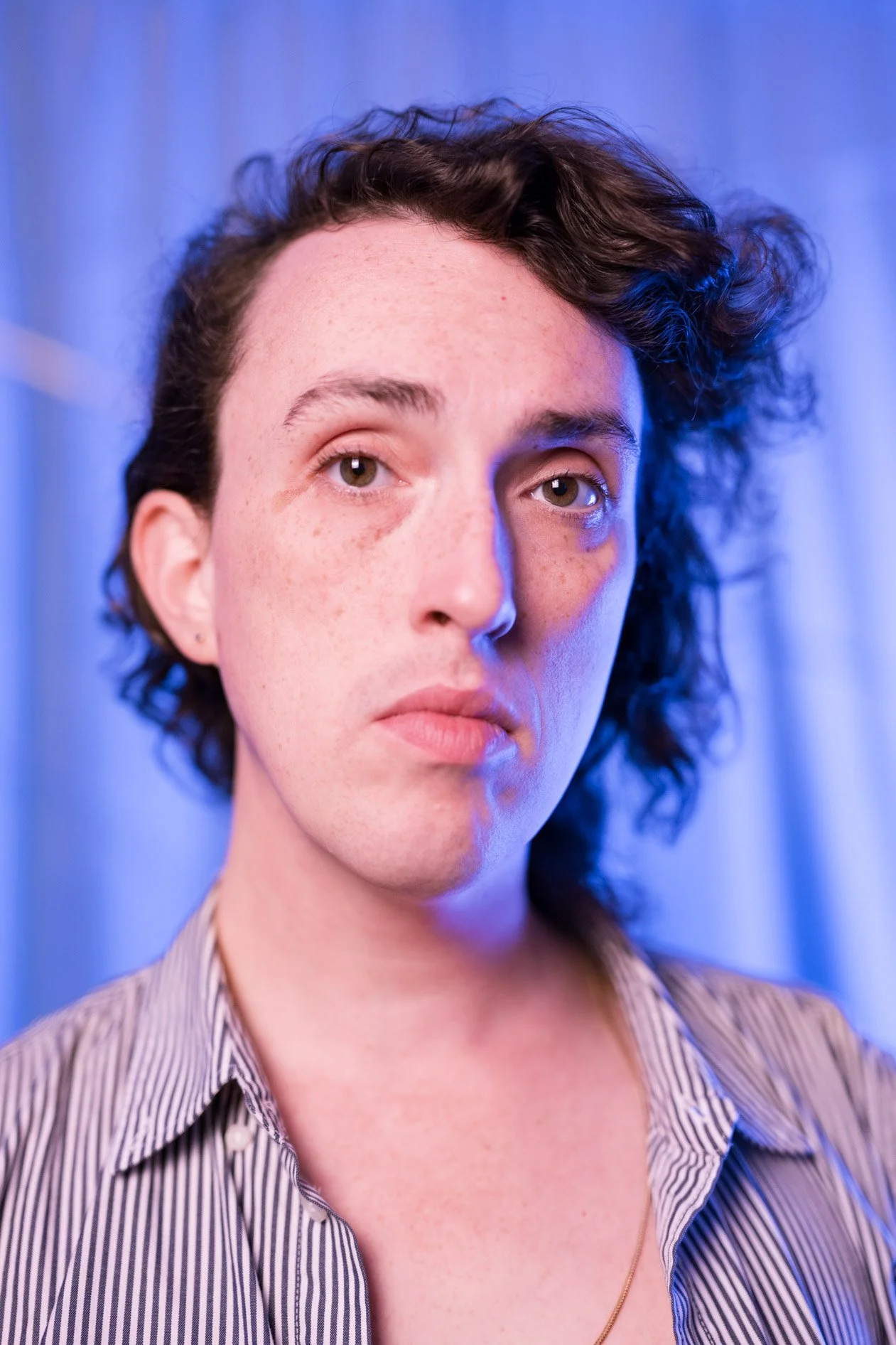
Photo Credit: Eliana Mendez
I walked out of that office carrying a bunch of dinosaur toys my dad had given me, said my polite goodbyes, and peaced out. That was the catalyst. I started my LLC later that year. I didn’t have all the answers, but I was finally asking the right questions: Would I choose safety? Was I going to silence myself to stay employable? Or was I going to figure out what it meant to speak up and build something around that?
It was a huge moment for me. A lot of creative professionals and freelancers have that story of getting fired and being forced to choose a new path. That was mine. It taught me I couldn’t capitulate to those power dynamics anymore. And, honestly, the culture in Portland has shifted since then as well. A lot of people who upheld that “don’t rock the boat” mentality have left. It’s nicer here now. The vibe has changed. And I’ve changed too.
How does being openly queer inspire or impact your business?
I’ve always been curious about people. Deep down, I think we all seek that connection and find other humans extremely interesting. Journalism was a tool I latched onto early to pursue this. For me, my queerness feels analogous – it’s a logical conclusion in my pursuit of learning about others. I don’t feel the boundaries of gender or sexuality in my relationships. It’s not what I’ve personally experienced.
My portfolio reflects an ability to connect to people from many different backgrounds, perspectives, and bodies of experience. It’s because the foundational skills are good, and I’ve worked hard at them.
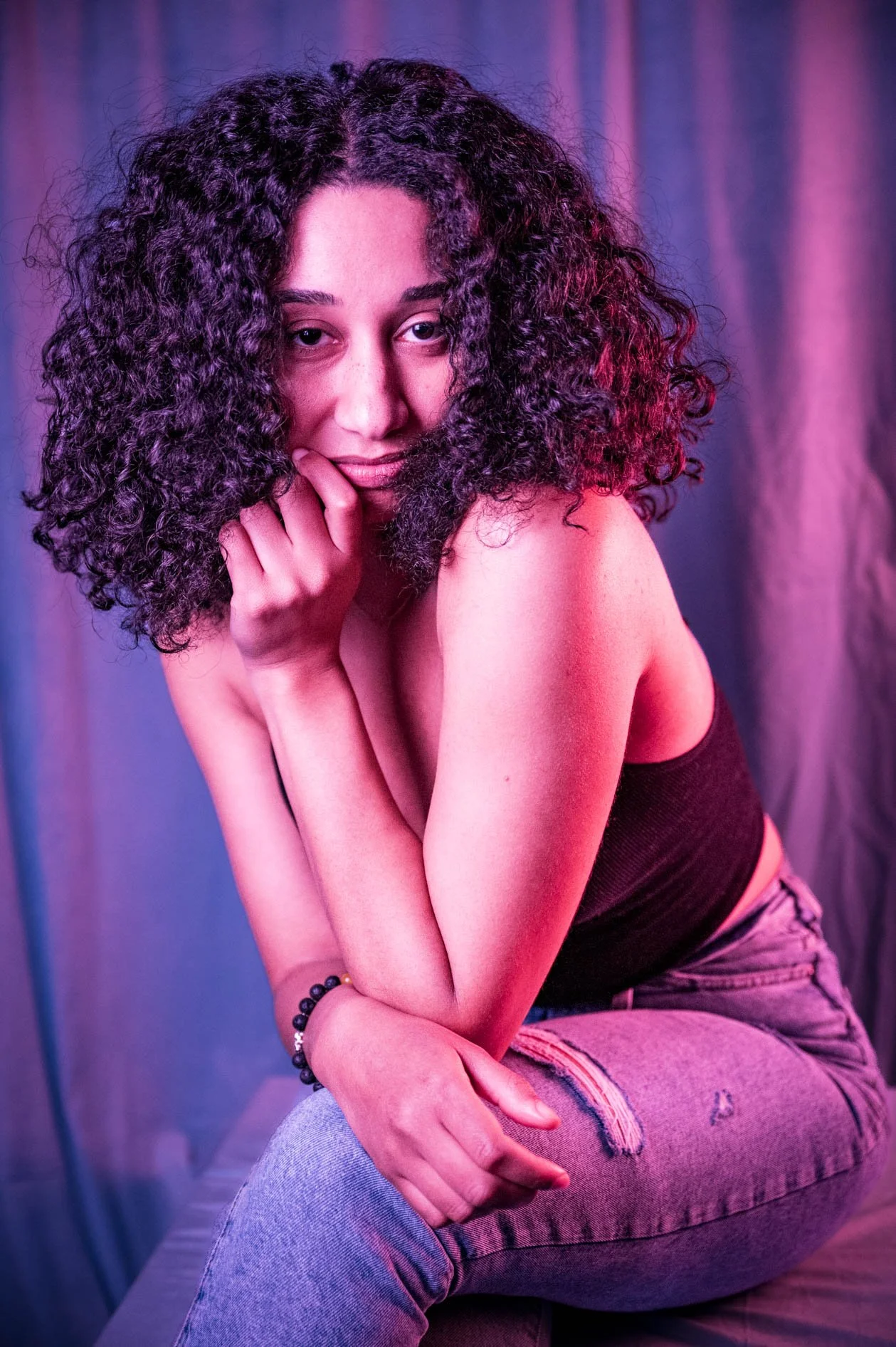
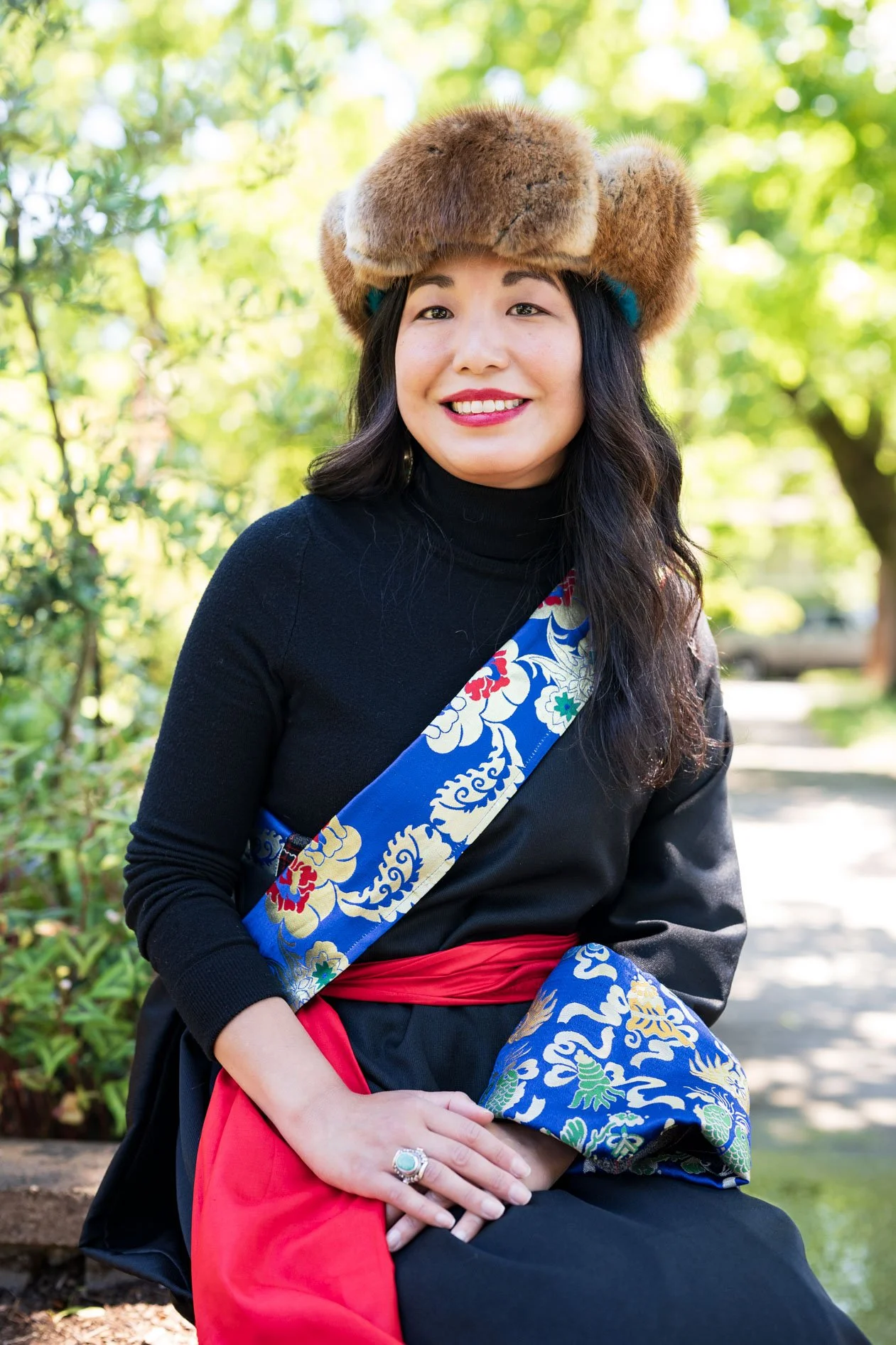
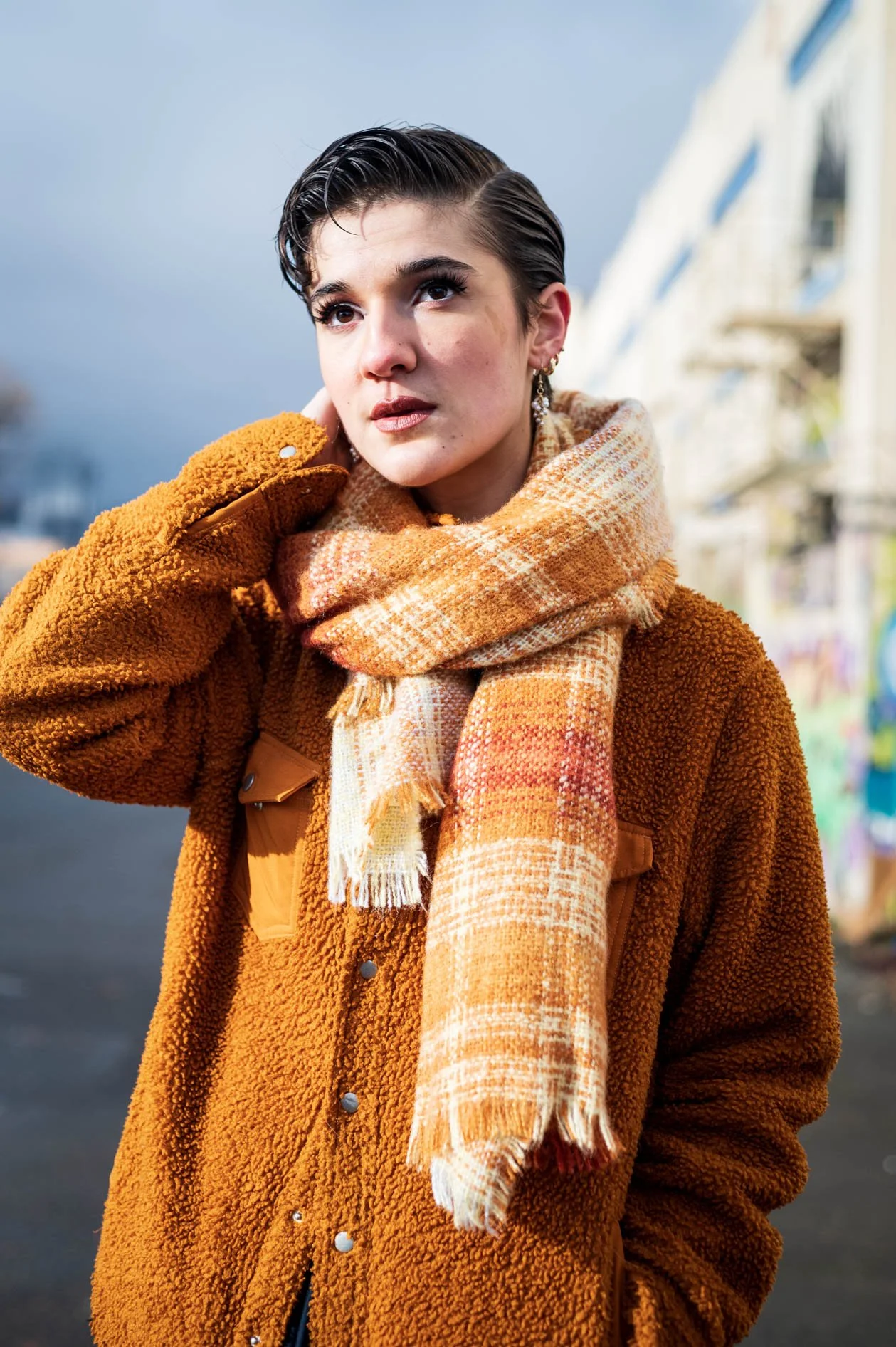
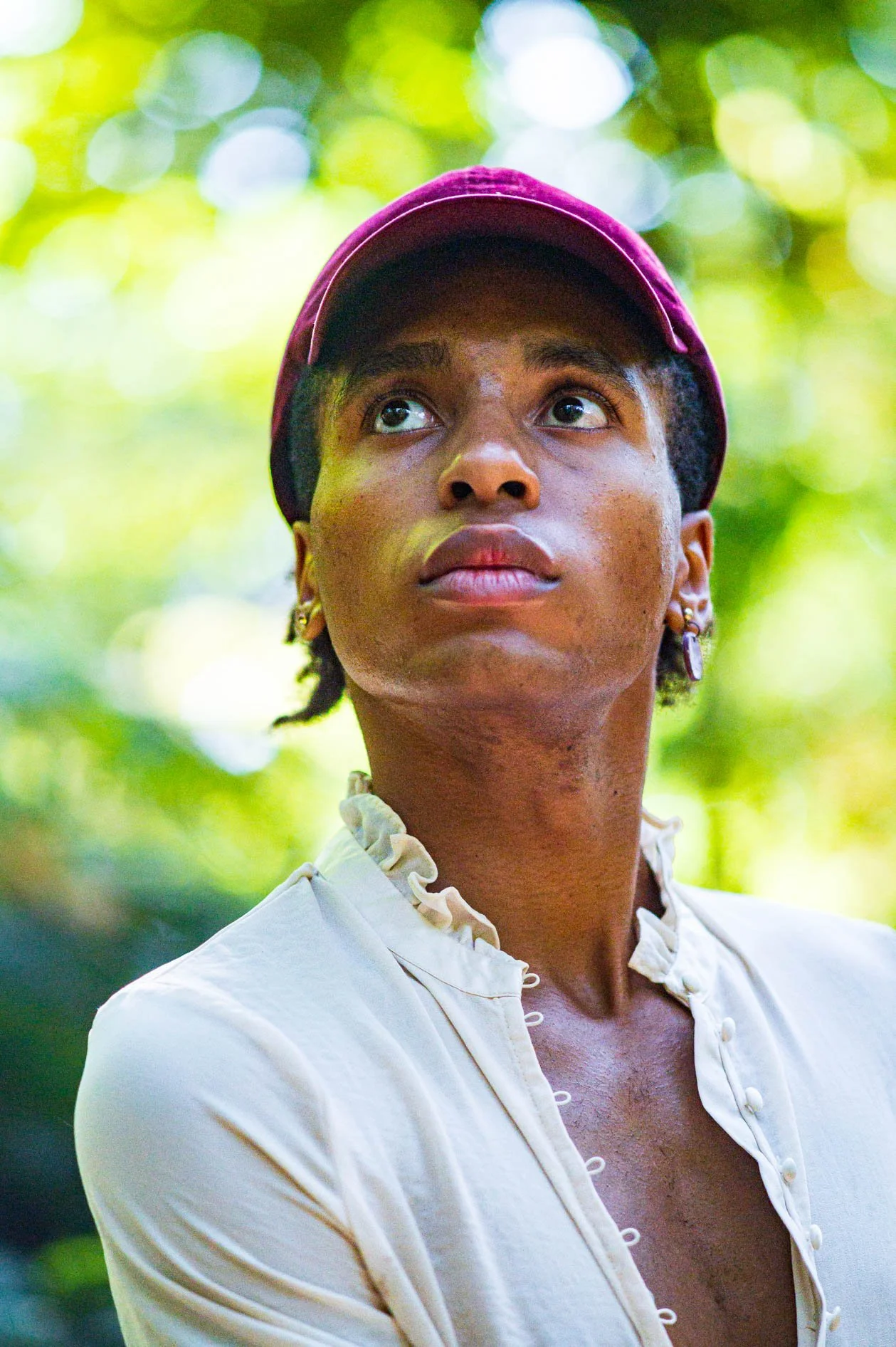
My relationships thrive when I can put aside institutionalized thinking, biases, and predispositions and greet other humans with curiosity and enthusiasm.
Media production is the same way. Queerness feels like a no-brainer at that point LOL!
What brands or services by LGBTQ+ founders are your go-tos and why?
I’m going with a couple sweet places to visit in Portland, Oregon:
Taquería Los Puñales: a wonderful warm space. My queer and trans friends have worked there and spoke highly of the ownership. Decorated with pictures of Latin American pop culture icons. Delicious food.
The Sports Bra: the atmosphere at this place during the WNBA playoffs was outstanding. Nice owners who show up in the community with consistency. Always feels welcoming. Lots of taps.
Who is your favorite LGBTQ+ celebrity or figure, and why?
Cheating and going with Ilana Glazer and Abbi Jacobson. I love Broad City, especially for its depiction of New York. The way both human beings have discovered more about themselves and shared it through their art is really remarkable. I really enjoy media that is about wonderful friendships between queer people who don’t have sex – it’s true to life, dispels stereotypes, humanizes queerness. I’m a fan for life.
Can you share one fun fact about yourself?
I have ~30 houseplants and love to chat with neighborhood hummingbirds, crows, bushtits and finches.
