

Founder Interview With Paul Castle, Author & Illustrator
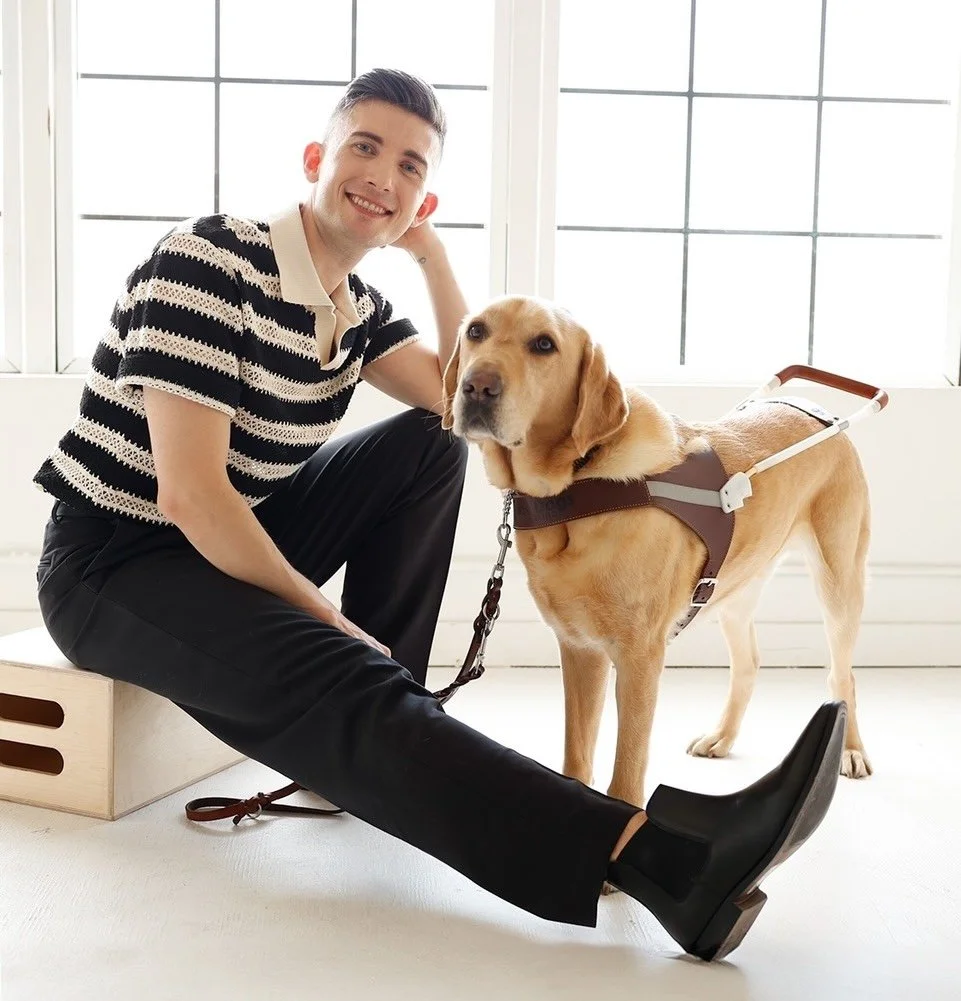
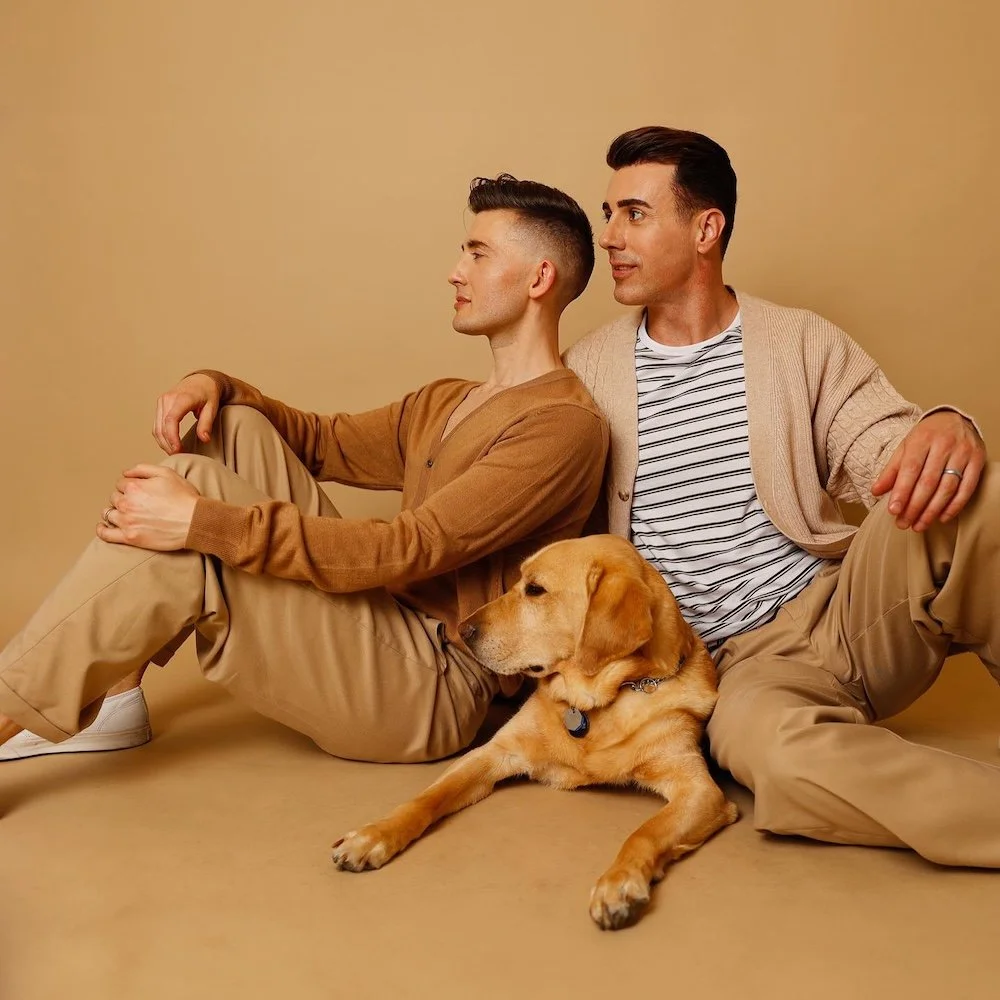
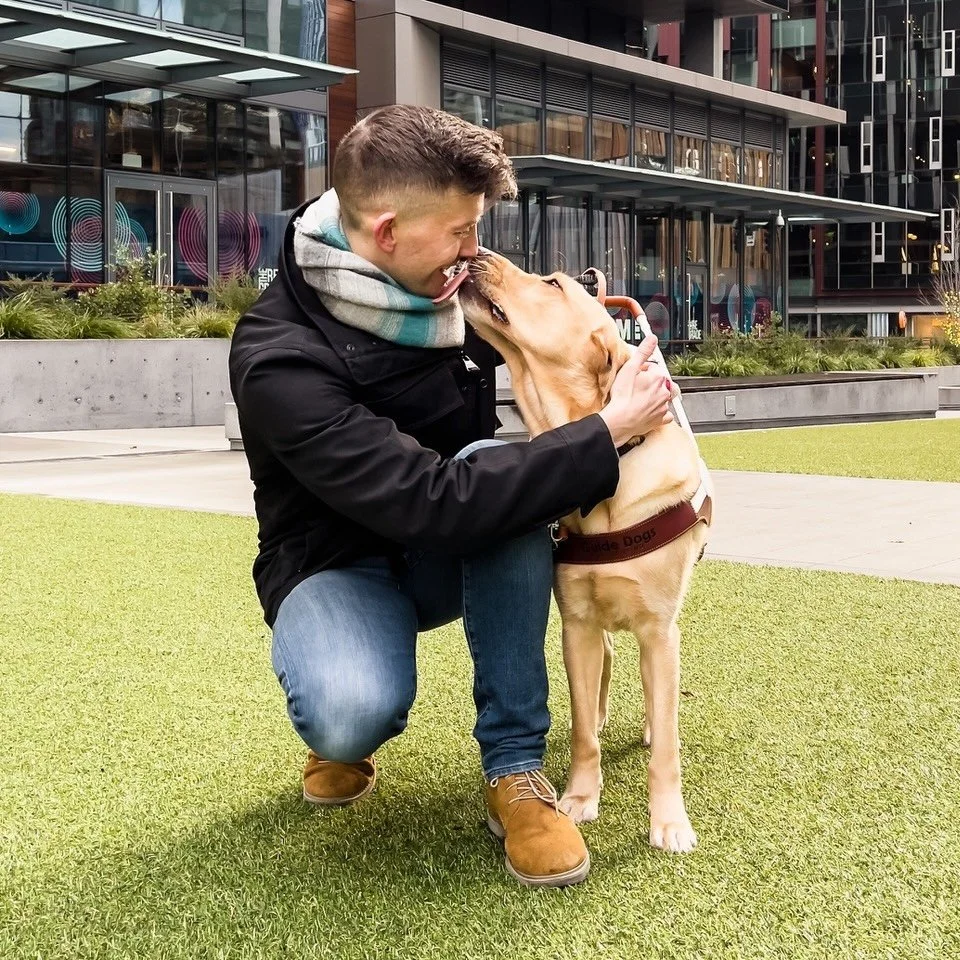
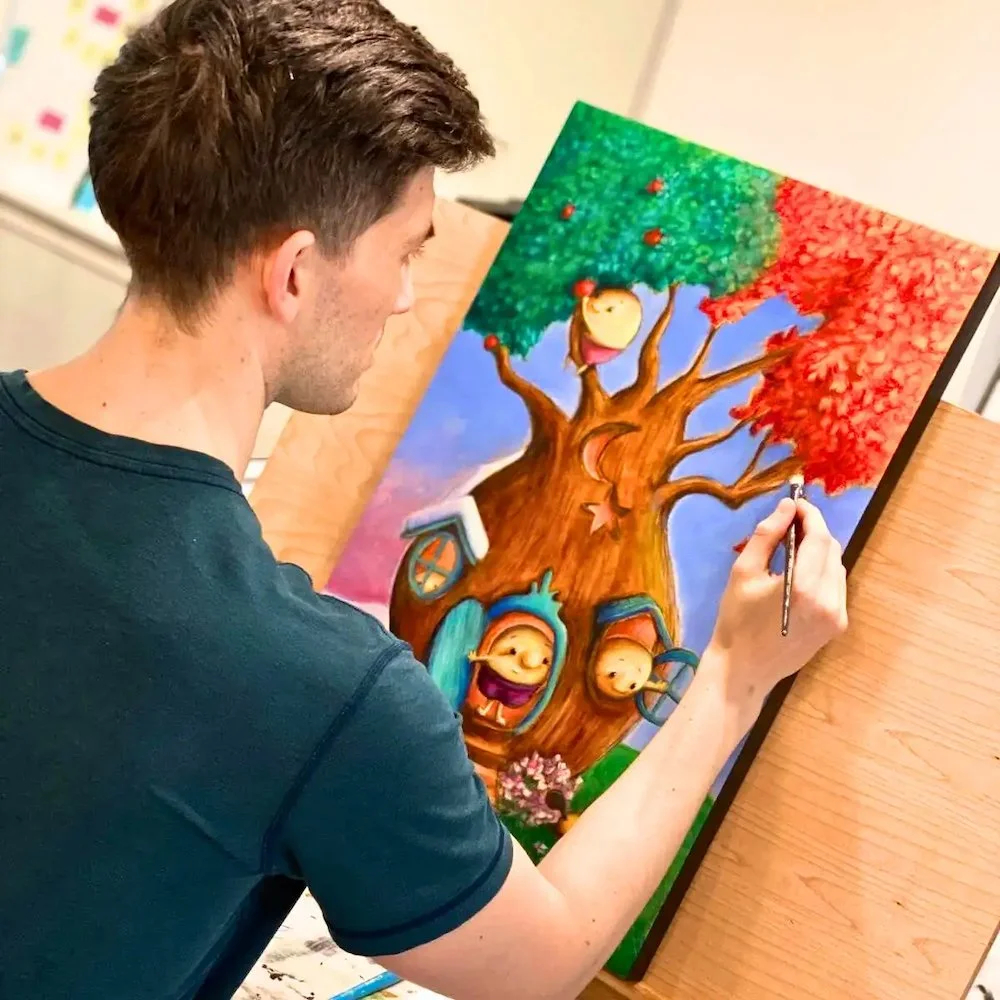
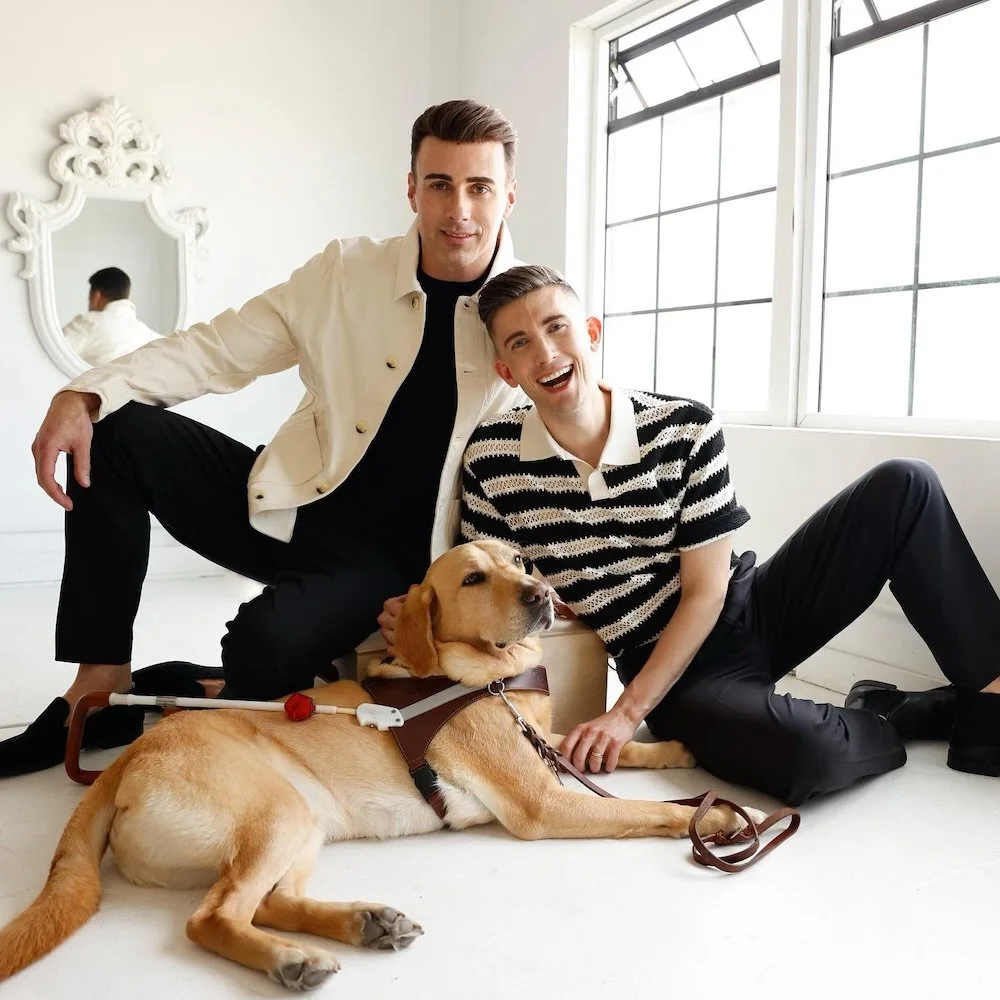
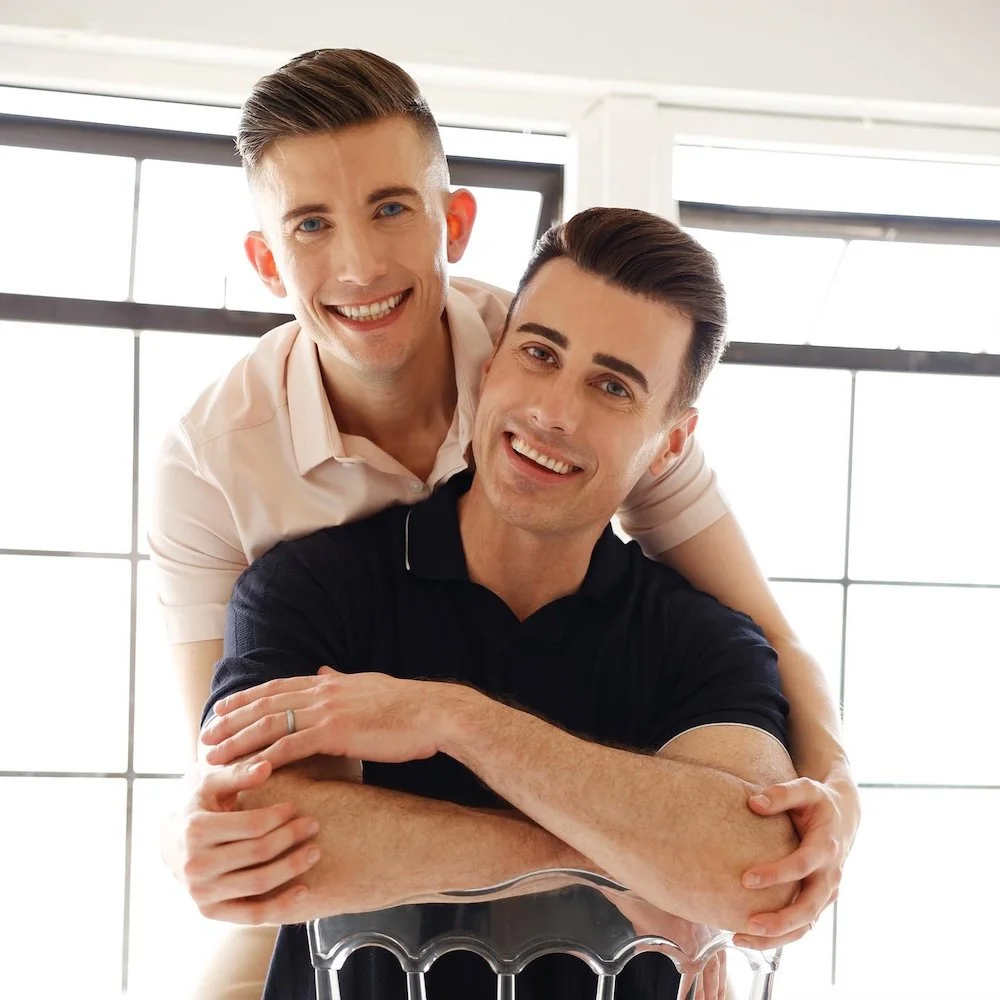
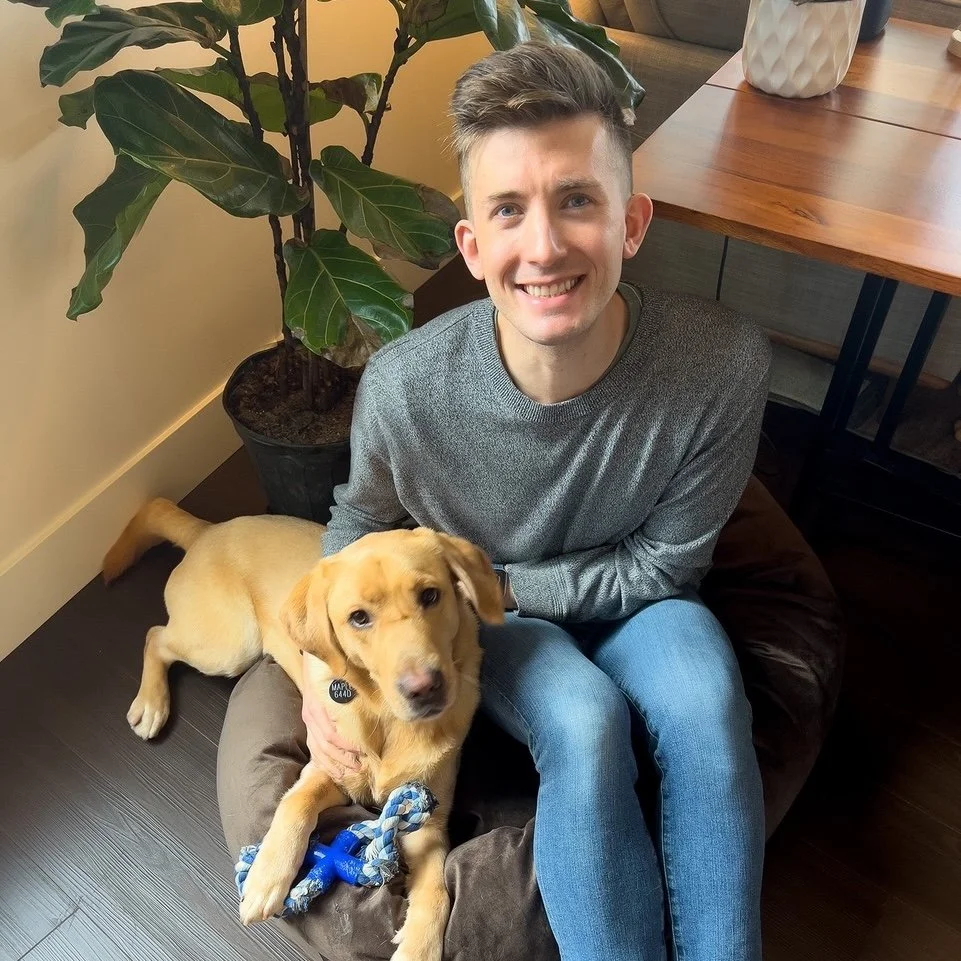
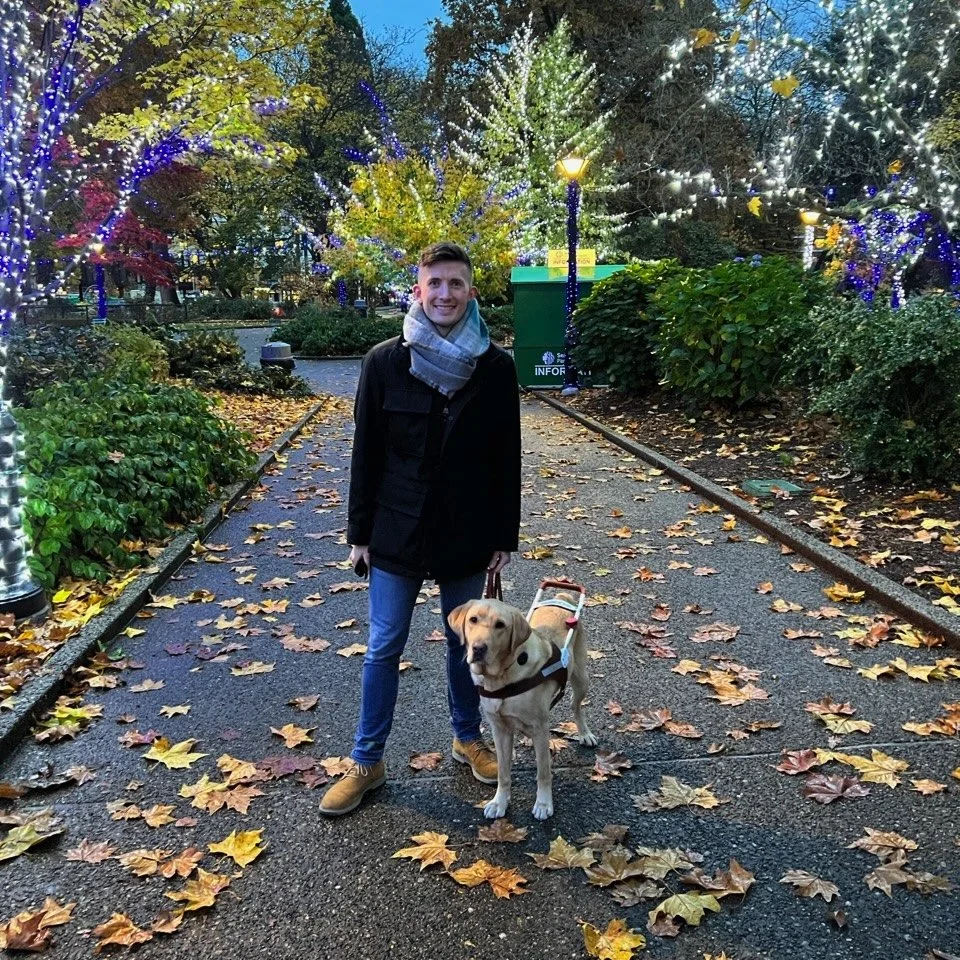
We’ve been following Paul and Matthew for years, so getting the chance to interview Paul was especially meaningful to us. For those who may be discovering his work for the first time, Paul Castle is a blind author and illustrator known for the whimsical children’s books he writes and illustrates from his home in Seattle. He lives there with his husband, violinist Matthew Castle, and their guide dog, Mr. Maple.
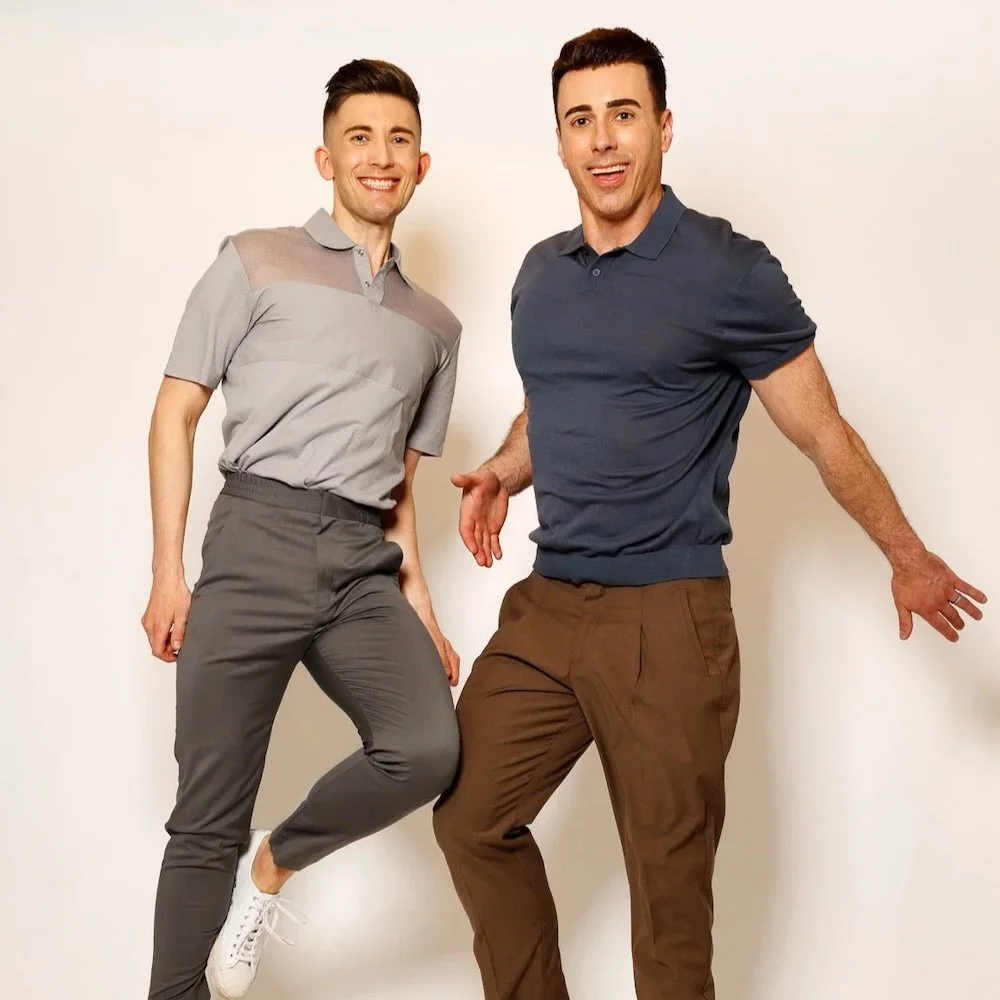
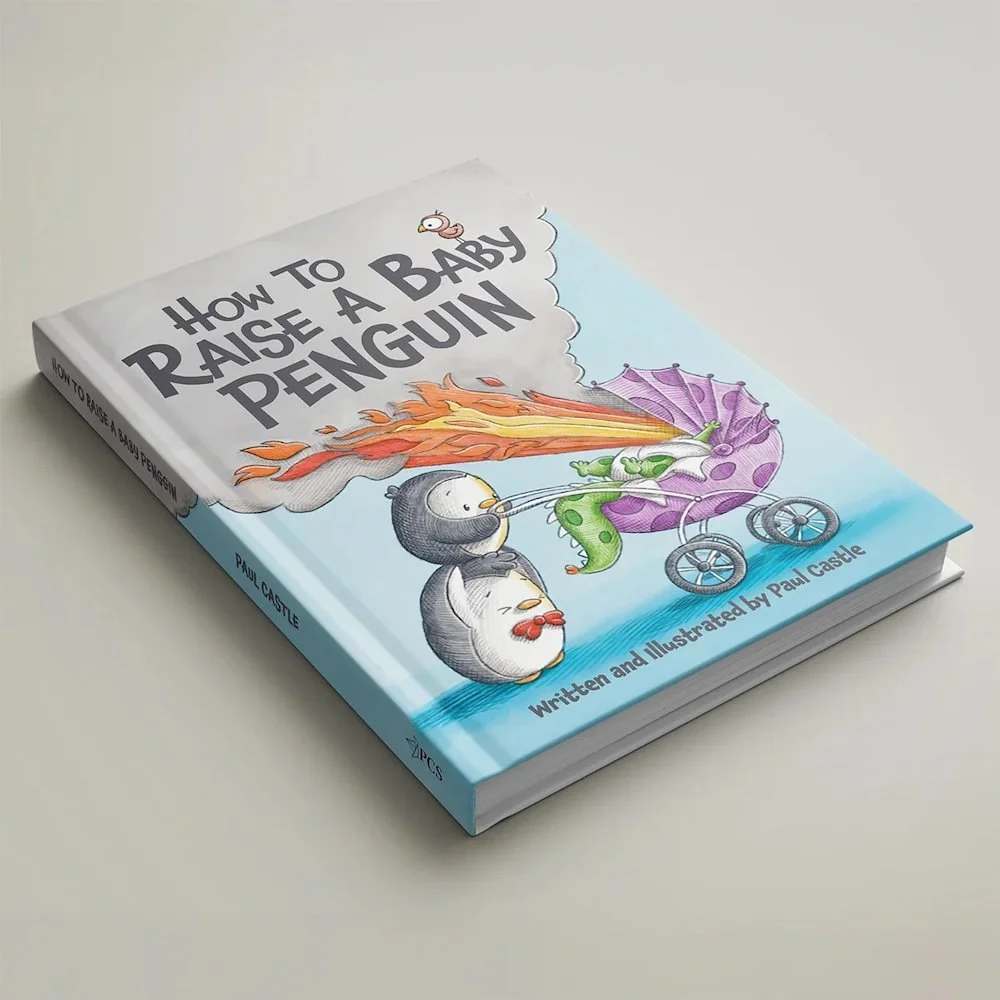
What started in 2016 as the two of them supporting each other creatively (Paul painting, Matthew recording himself playing violin) grew into a shared platform, Matthew & Paul, now followed by over 8.6 million people across Instagram, TikTok, YouTube, and Facebook. Paul has since written and illustrated six children's books, all self-published with Matthew, including his very first book, inspired by the penguins he drew for their wedding invitations. Even after losing over 90% of his vision to Retinitis Pigmentosa, Paul continues to create with the same joy and imagination that started it all.
During this interview, Paul walked us through his creative journey. He shared how Matthew helped him set up his first website, how a pandemic-era podcast became part of their story, and how he eventually became a published author with international editions of his books.
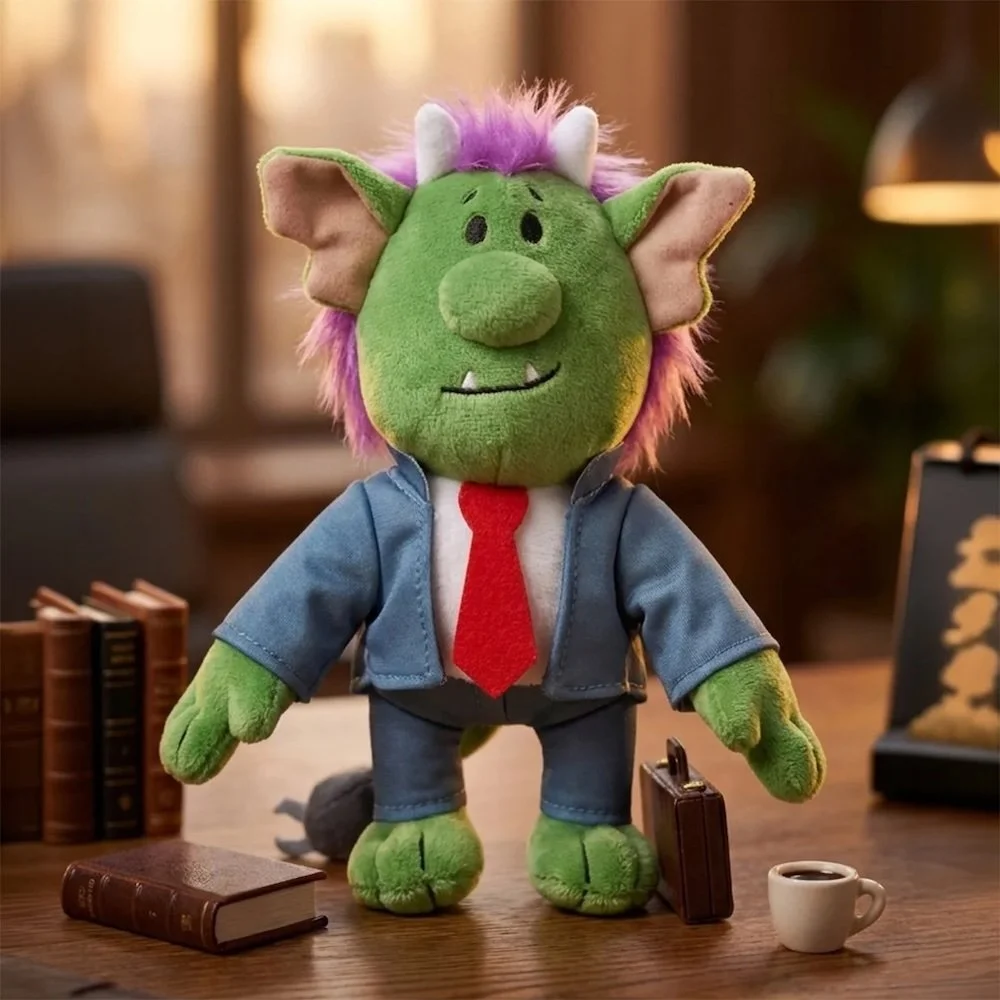
Paul also opened up about writing Ned the Internet Troll, a book he dedicated to "all of my haters, bullies, and trolls." He turned his own experience of online hostility into a story about choosing kindness. Paul also shared how he and Matthew protect their safety and well-being while living so publicly, and offered advice for LGBTQ+ creators just starting to build something of their own.
I hope you’re as excited as we are to hear Paul’s story and get to know the person behind the books, art, and millions of views. Let’s get into it!
1. Can you walk us through your journey as a creator... from building Matthew & Paul to becoming a published author and illustrator?
I met my husband Matthew in 2016, and we started working together creatively almost immediately. Matthew has been playing the violin since the age of three, and I encouraged him to start recording his music and sharing it online. At the same time, I was painting, and Matthew was the one who set up my first website. To share our artistry with the world, we turned to social media, and that first step sold my paintings and earned Matthew his first music streams. Soon I was showing my art in galleries and public spaces, and Matthew was booking live shows around the country.
Then, in 2020, the pandemic hit and everything stopped. Galleries closed, concerts were cancelled. We pivoted and started a podcast together, something we had always talked about doing, right from the walk-in closet of our apartment. To promote it, we once again turned to social media. We created our joint account, Matthew and Paul, sharing snippets from the weekly podcast alongside lip sync videos, trending dances, and so forth. During this time, I wrote and illustrated my first children's book, based on the penguins I drew for our wedding invitations. It was a big success.
Eventually, our social media audience far outgrew our podcast listeners, and after three years we retired the podcast to put all our energy into social media content. Meanwhile, I was still making art and Matthew was still sharing his music. I've now written and illustrated six children's books, all self-published by the two of us, with international editions traditionally published in Norway, Germany, and soon Italy. Another incredible milestone that could not have happened without social media: Matthew's classical album, Classical Encore, charted at number 8 on the Traditional Classical Billboard charts in 2024.
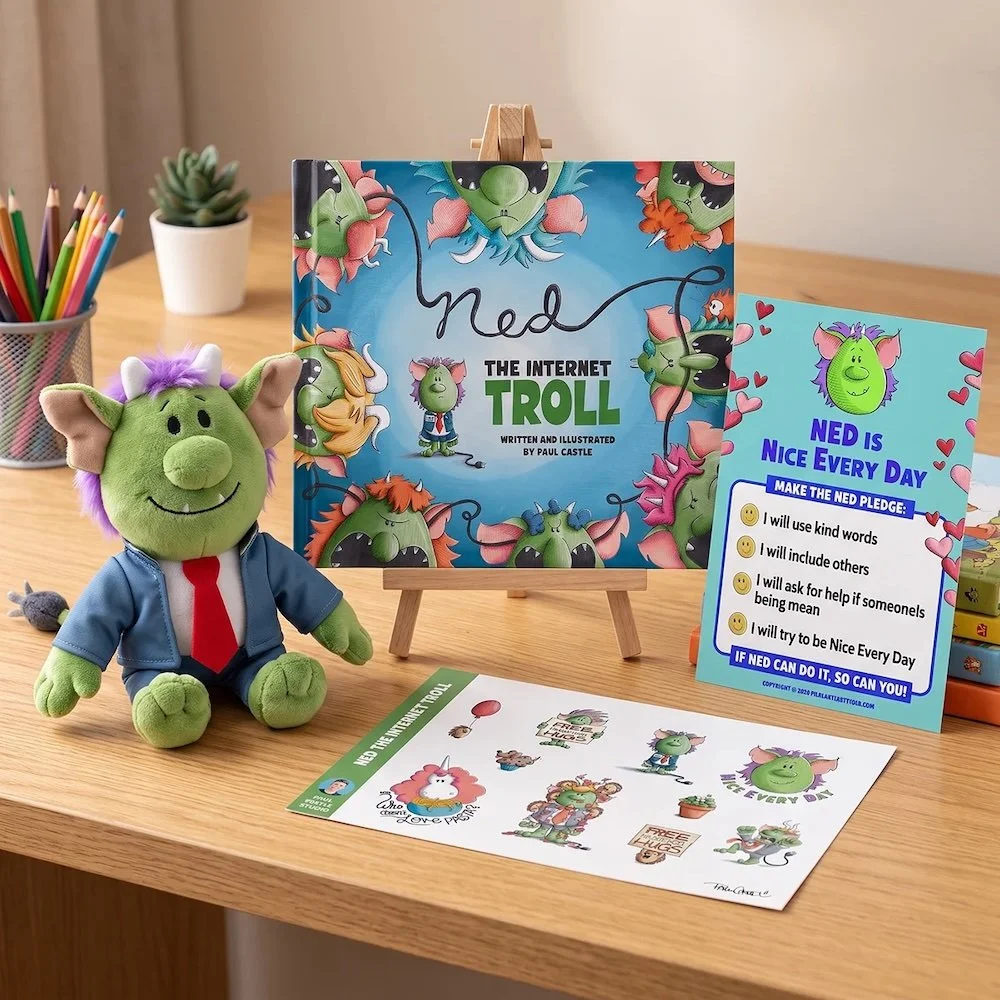
2. What inspired you to write Ned the Internet Troll, and what do you hope your readers take away from it?
Matthew and I have been doing this social media thing for a long time, and because of that we're no strangers to online trolls and cyberbullies. As outspoken advocates for the LGBTQ+ and disabled communities, we sometimes have a bigger target on our backs. Being openly gay may be embraced in our hometown of Seattle, but in many parts of the world, it's certainly not. And portraying a disability that doesn't "look" the way it's been presented in media for years has resulted in people accusing me of faking my blindness. We spend a lot of time educating people about the spectrum of disabilities.
As our numbers grew, we invited more and more criticism into our lives, and Ned the Internet Troll was my response. I knew a lot of kids would be entering the digital world (many already have, at very young ages), and I wanted to offer an abstract, slightly comical way of seeing online trolls, in hopes that young people could stop taking it personally and realize the bullying says more about the one handing it out. In my book, Ned is an internet troll who chooses kindness over hate, and his decision has a positive ripple effect. I dedicated the book to all of my haters, bullies, and trolls, because it wouldn't exist without them. Proof that art gives us the ability to take our power back.
3. You've built a following of millions as a blind, gay creator. What have you learned about how to create a safe and supportive space online?
I do my best to create a safe and supportive space by closely monitoring comments and filtering out certain words. Criticism is one thing, but hate comments can be triggering for viewers. We want people to know they can watch our channel and be safe from negativity. They're here to laugh, learn, maybe shed a tear (usually a happy one), and make friends within the community.
4. As your audience has grown, how do you balance being visible online while still protecting your safety and well-being?
Safety has always been a concern, and we take measures to protect our exact location. We don't film out the windows of our apartment, ensuring our privacy. When we're out in public, we're frequently stopped by fans, and the encounters are always wonderful. People are very respectful, and we love getting the chance to meet the community we've built over the past six years.
We also protect our well-being by sharing only what we're comfortable sharing. We don't document every moment of our lives. We usually post three to five videos a week, and most are filmed during what we call "regular work hours." Since social media has become a career in many ways, we understand the importance of carving out special time together. No phones, no filming. Just being present and enjoying our lives!
5. What's one piece of advice you'd give to LGBTQ+ creators or business owners just starting out?
Be consistent, and recognize when things need a refresh. If you're consistently getting low engagement and not seeing the response you want, switch it up! We changed our content style and approach at least a dozen times before we hit on the one that really worked. It's not enough to just "be authentically you!" and expect that to work. Yes, you need to be real. Authenticity is crucial, but HOW you share that authenticity can take a thousand forms. Find the one you can realistically repeat that actually gets the traction you're looking for. Most people give up before they find it. Stand out by not giving up. Keep trying, and you'll eventually hit on it, but it takes time and commitment. Lastly, you have to love it!
6. What LGBTQ+ brands or businesses are your go-to's right now and why?
We're lucky to live in Seattle, where the list of LGBTQ-owned businesses is long. As an author, I have to start with Elliott Bay Book Company on Capitol Hill, one of the great independent bookstores anywhere. Cupcake Royale is a longtime favorite for a sweet treat, and Dough Joy makes plant-based donuts so good you'd never guess they're vegan. As far as brands go, I'll give a shout-out to Be My Eyes, the app that connects blind and low-vision users with sighted volunteers. It's a beautiful example of technology building community rather than dividing it.
7. Which LGBTQ+ or blind creator, activist, or historical figure has had the biggest impact on you and why?
Molly Burke, a blind creator and motivational speaker, has been a huge inspiration to me. She was sharing her life online, educating people about blindness, and dismantling stereotypes long before I started, and she showed me that a blind creator could build a massive audience without being defined by disability alone. Watching her handle skepticism and ignorance with grace and humor gave me a roadmap for facing the same things myself. She proved there was room for our stories, and I hope I'm helping widen that door for the creators coming up behind us. I’ve been fortunate enough to meet Molly, and call her a friend.
8. Can you share one fun or unusual fact about yourself that your followers might not know?
My first job was in front of the camera. I grew up in British Columbia, Canada, which has a robust film industry, and my mom drove me to auditions every week. I always loved it because I got to leave school! I ended up booking several commercials between the ages of 8 and 12, as well as background work in television shows and movies. In some ways, it was good training for being in front of the camera all these years later.
___________
You can learn more about Paul on his website, browse his books here, and follow along on Instagram, TikTok, and YouTube.
