

Interview With Obsidian Adebayo, Q+ Collective
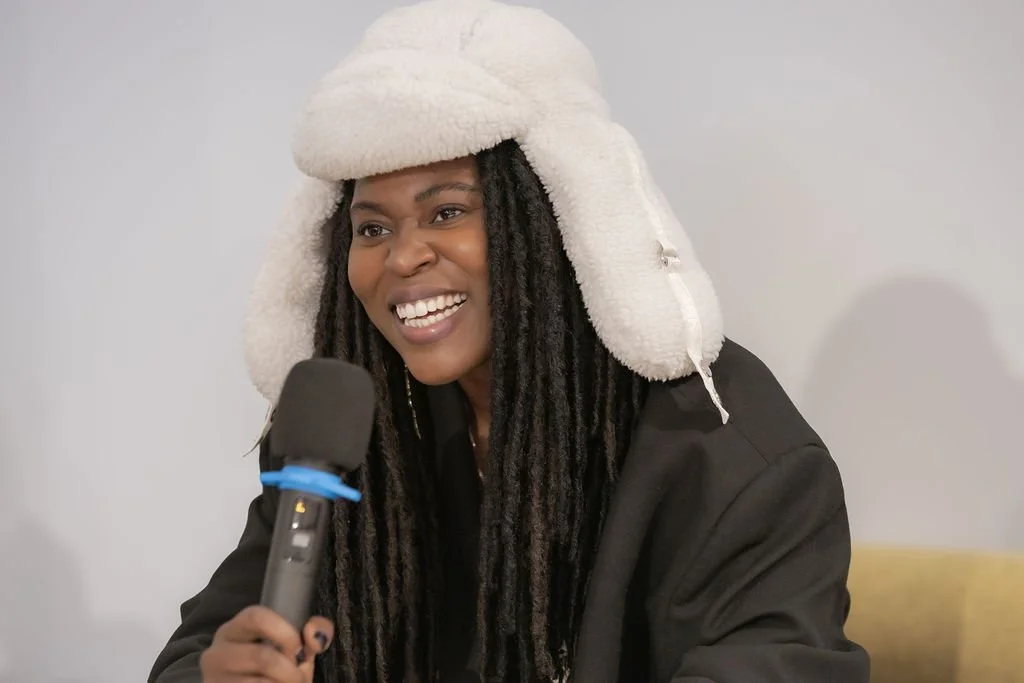
Photo Credit: Sarah Gonzalez, PEOPLEtography
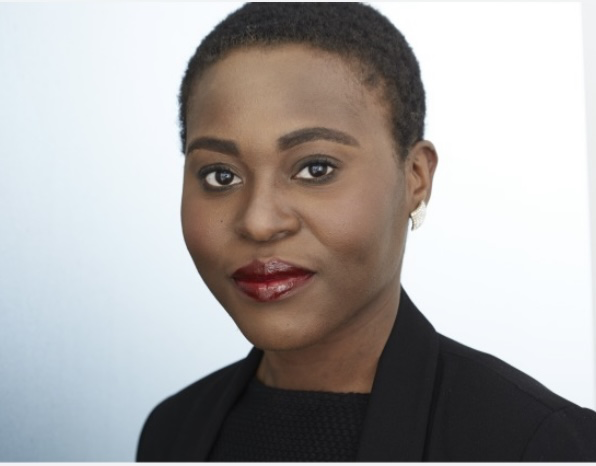
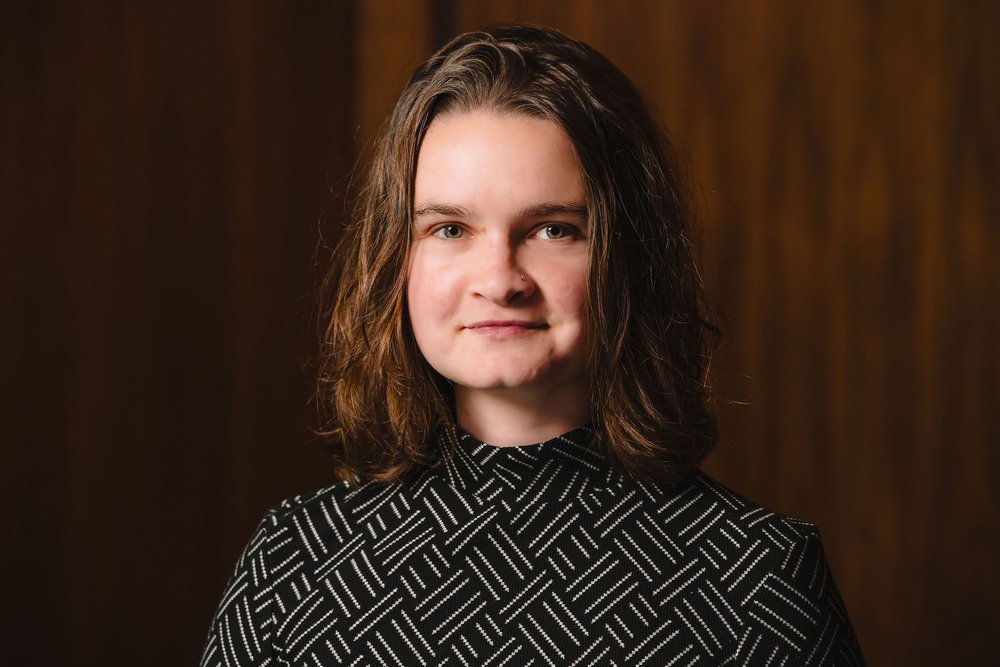
Obsidian “Obi” Adebayo is the Commercial Director of Q+ Collective, a queer-led consulting and strategy firm that supports LGBTQ+ leaders and organizations focused on “queer-lens consulting.” Rooted in lived experience, Q+ helps clients navigate everything from operational strategy to threat analysis with clarity and care, offering culturally fluent support designed for those building under pressure. The team brings together expertise across activism, corporate strategy, and creative industries, working to create resilient, values-led organizations that thrive in uncertain environments. At its core, Q+ is unapologetically queer and deeply strategic—an approach that sets it apart from traditional consulting models.
During our interview, Obsidian shared their powerful personal and professional journey, from early years in investment banking to launching creative projects like The Black Monologues, The Influence Index, and now shaping strategy at Q+. They opened up about the challenges of fundraising as a queer-led NGO, the importance of building systems rooted in care, and the philosophy of “gentle ambition” that guides their work today. Obsidian also offered thoughtful advice for future LGBTQ+ service providers, spoke about the transformative power of visibility, and even revealed a fun fact about cycling solo from Toronto to Atlanta as part of a personal reset.
Check out the interview below!
Can you walk us through your personal and professional journey?
I started my career in investment banking, working at firms like Rothschild and Tellimer during some of the most volatile economic periods. While I learned a lot, I didn’t feel safe enough to be fully out, which shaped my desire for reinvention. I left the industry not just to pivot, but to find a version of myself I hadn’t yet had the space to fully meet. I experienced a severe workplace trauma that led to complex PTSD, where I was nearly mute for two weeks, struggled with physical paralysis and shame, and faced doctors’ suggestions of disability.
Not wanting that life, I went on a journey of wellness, creativity, and self-discovery. To reset, I solo-cycled nearly 2,000 miles from Toronto to Atlanta—an experience that helped me reclaim my voice and purpose. You can watch an interview I did about it below.
I decided to prioritize my nervous system, leaning into healing through therapy, meditation, and wellness. I then got a trauma-informed business coach and developed a philosophy of 'gentle ambition', balancing my drive to succeed with being gentle with myself while still achieving my goals. Ultimately, I’m creating a life centered on happiness and joy while honoring my well-being.
This journey motivated me to start Olorun, a production company focused on identity and intersectionality, where I created The Black Monologues and developed projects rooted in cultural exploration. I later trained in UX design and transitioned into creative and corporate strategy, discovering that my strengths lay at the intersection of the creative and the commercial. This realization led to The Influence Index, an ongoing project aimed at making creators more investable by bridging gaps in data and strategy. However, as the climate for LGBTQ+ communities became increasingly hostile, I found myself overwhelmed.
I found Q+ Collective through Hey Famm; their values-aligned, unapologetically queer, and strategic work resonated deeply. Joining as Commercial Director felt like a natural step, allowing me to bring together my lived experience and business skills to support other queer leaders under pressure.
Today, I split my time between building The Influence Index and growing Q+ Collective’s impact. It’s not always easy, but it’s deeply aligned with my purpose. Having experienced both sides, building from the margins and now helping others do the same, I am committed to creating more clarity, structure, and support for those navigating similar journeys.
What inspired Q+ Collective to offer the services they provide?
At Q+ Collective, our services are a direct response to the gaps we’ve experienced firsthand as queer leaders navigating complex systems. Many of us have worked in environments where inclusion was performative, strategy was disconnected from lived reality, and the burden of translating our experiences into business terms fell on us.
We were inspired to offer services that centre queer experience, which we are calling "queer-lens consulting" —not as a diversity checkbox, but as a strategic asset. From threat analysis to operational support, we help our clients build resilient, values-led organizations equipped to thrive in uncertain environments.
What we offer isn’t abstract theory. It’s informed by what it takes to survive and succeed while living at multiple intersections. We understand the realities of scaling a business while navigating legal risk, burnout, systemic bias, and shifting political landscapes. Our goal is to provide grounded, strategic, and culturally fluent support that helps queer-led ventures lead with clarity and care.
We’re not just here to support queer entrepreneurs, we’re here to help them win on their own terms.
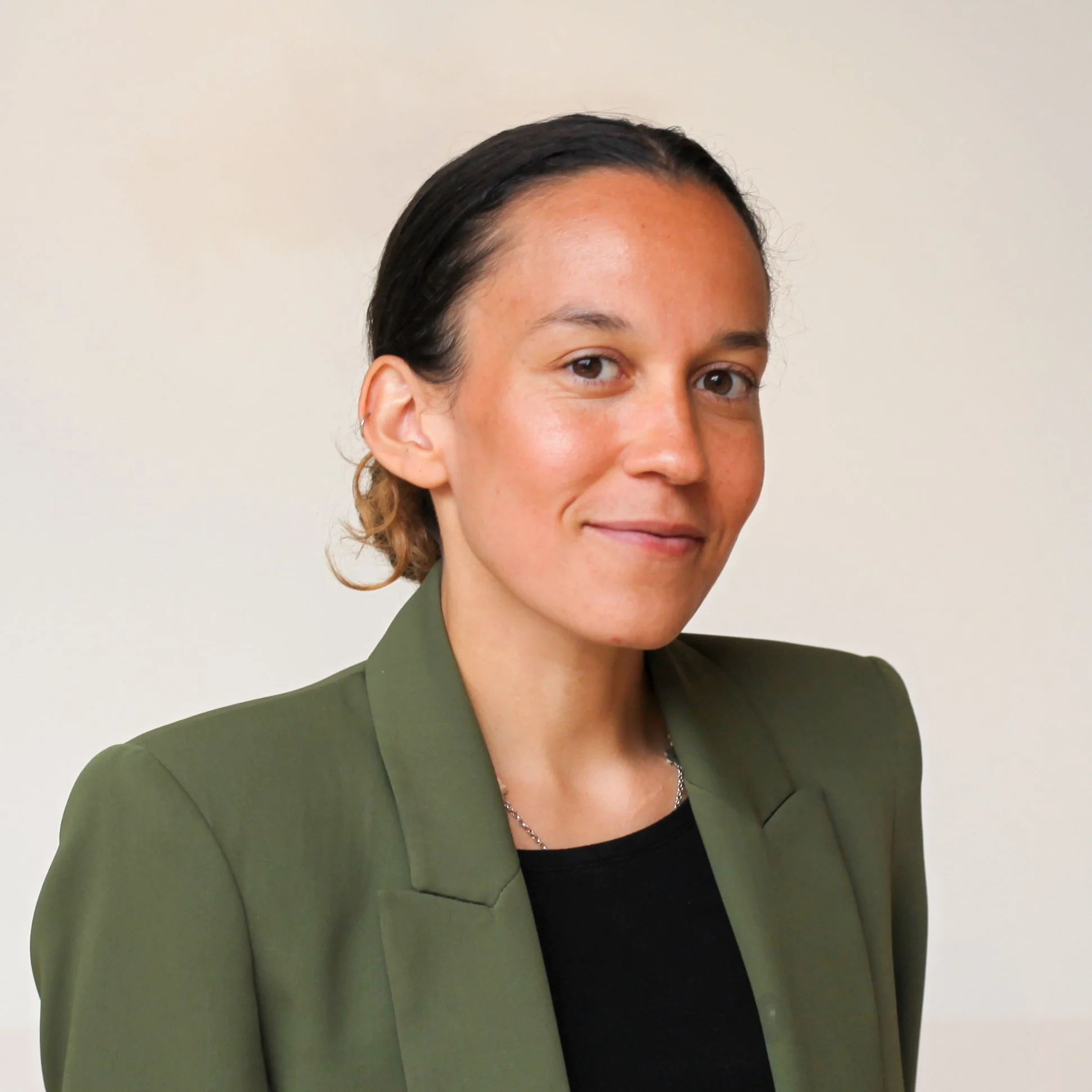
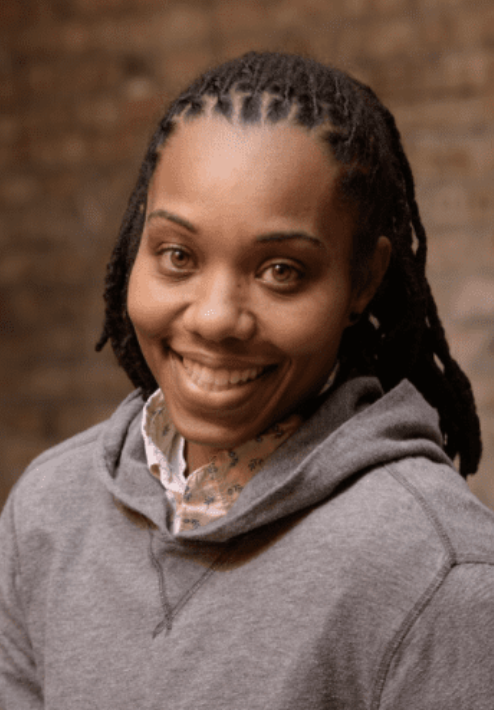
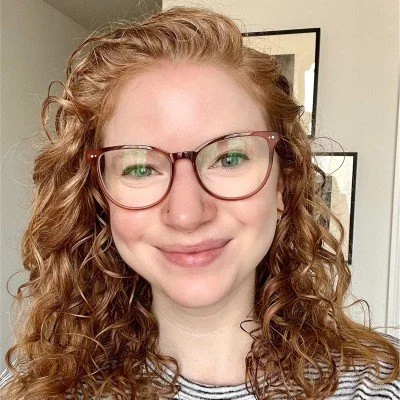
What is one of the biggest challenges you have faced in your journey as a service provider, and what did you do to overcome this?
One of the biggest challenges we’ve faced in our journey as a service provider and NGO has been fundraising. NGO stands for non-governmental organization, which is a nonprofit organization, similar to a charity, and is officially classified as a 501 (c) (3) in the US. While we generate income through charged services, our core mission is to provide free resources and support to vulnerable communities, specifically the LGBTQ community. This includes offering pro bono consultancy projects to those in difficult situations, such as undocumented migrants running businesses, where confidentiality and sensitivity are crucial. Unlike some NGOs that rely entirely on donor funding, we strike a balance between earning income and offering essential free services, although securing funding has become increasingly challenging. Even with a clear mission and proven impact, securing consistent resources as a queer-led organization is difficult—especially when many traditional funding structures don’t fully understand or prioritize our work.
As a start-up NGO, we’re also actively building the internal systems that allow us to grow sustainably. We're a remote team working across time zones, and each of us brings different identities, access needs, and experiences to the table. That means we’ve had to be intentional about designing operational practices that actually reflect our values, rather than replicating structures that weren’t built for us.
What’s helped us move through these challenges is honesty. We’ve prioritized open communication, clarity, and flexibility as a team. We don’t have all the answers—but we’re building a culture where asking better questions, holding space for complexity, and learning together is part of the process. That’s what keeps us aligned, adaptive, and deeply rooted in our purpose.
If you could give one piece of advice to future LGBTQ+ service providers within your field, what would it be?
One piece of advice we’d offer to future LGBTQ+ service providers is this: build in a way that honours your reality, not just the market’s expectations.
There’s often pressure to conform—to make your work more palatable, more “neutral,” or to overextend yourself just to be taken seriously. Resist that. Your perspective, your boundaries, and your lived experience are assets, not liabilities.
Create systems that support your wellbeing. Price your work according to its value. Don’t be afraid to niche down or do things differently. And most importantly, find collaborators who understand that care and strategy can—and should—coexist. You don’t have to replicate harmful models to be successful. You get to build better ones.
For example, I'm in Mexico City because I realized I needed to reshape my life to prioritize rest and doing things just for fun, without the pressure to be productive or succeed. Raised in a Nigerian family, I didn't understand the concept of play until my coach clarified that rest is, in fact, a form of play. To truly rest, I needed to eliminate financial anxiety, so I leveraged my early investment banking savings, rented out my place in London, and chose Mexico City for its affordability and flexibility. Here, I decided to focus on building a platform aligned with my diverse skills, rather than rushing into content creation or traditional entrepreneurial ventures. This approach allows me to center myself, move at my own pace, and work towards my goals in a way that feels authentic and sustainable.
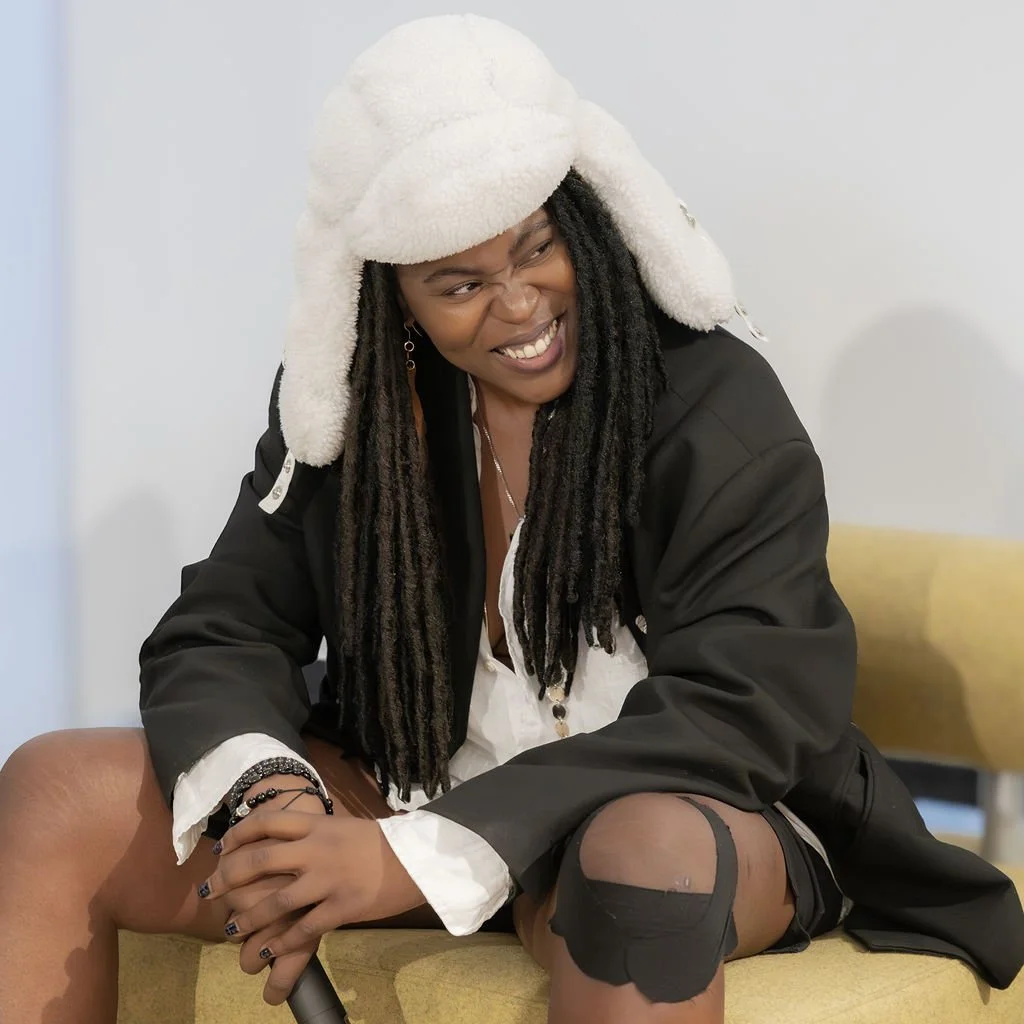
Photo Credit: Sarah Gonzalez, PEOPLEtography
How does being openly queer inspire or impact your business?
Being openly queer isn’t just a part of our identity—it’s foundational to how we approach our work.
It means we lead with a different lens. We notice what others miss. We build systems that account for complexity, nuance, and lived experience. Being queer has taught us to navigate uncertainty, to innovate under pressure, and to build community as a form of resilience.
At Q+ Collective, queerness isn’t something we have to “include”—it’s the starting point. It inspires us to ask better questions, challenge harmful norms, and design strategies that make space for difference, not just efficiency. It keeps us honest. It keeps us bold.
And in today’s climate, being visibly queer while doing this work is also an act of defiance and of hope. We show up fully because we know the impact of being seen.
What brands or services by LGBTQ+ founders are your go-to's and why?
Some of our go-to LGBTQ+ brands and services include:
Hey Famm – Not just because we found each other through them, but because they’ve created a platform that centres queer businesses and service providers in a way that’s both intentional and accessible. It’s a space built with care, and it shows.
myGwork – Their commitment to professional development and visibility for LGBTQ+ talent is unmatched. They’re building global pathways for queer professionals to thrive and connect, which is so needed in today’s fragmented world.
PFLAG – Their legacy in advocacy, education, and community support continues to make a real impact. They’ve been a cornerstone for so many families navigating queerness with compassion and care, and we deeply respect the longevity and integrity of their work.
Each of these platforms brings something unique—but they all share a commitment to equity, visibility, and creating meaningful infrastructure for our communities. That’s the kind of work we’re proud to learn from and support.
Who is your favorite LGBTQ+ celebrity?
Doechii is my favorite LGBTQ+ celebrity because she embodies what it means to be unapologetically powerful and creatively free. She’s not afraid to take risks, whether in her music, visuals, or performances, and she doesn’t box herself in, which feels deeply aligned with queerness as a practice of expansion.
Beyond her artistry, what really stands out is her courage to speak truth to power. She’s used major platforms like the BET Awards to call out injustice and advocate for greater visibility and respect for queer artists, especially Black queer women and femmes. That kind of boldness, especially in spaces that don’t always make room for us, is deeply inspiring.
Can you share one fun fact about yourself?
A fun fact about me: I once cycled solo from Toronto to Atlanta as part of a wellness reset. No real training, just vibes, purpose, and a lot of playlists. It was one of the most clarifying things I’ve ever done and a reminder that sometimes you have to move through uncertainty to find your direction physically.
