

Founder Interview With Misha Safran, CEEQ, Center for Empathy and Emotional Intelligence
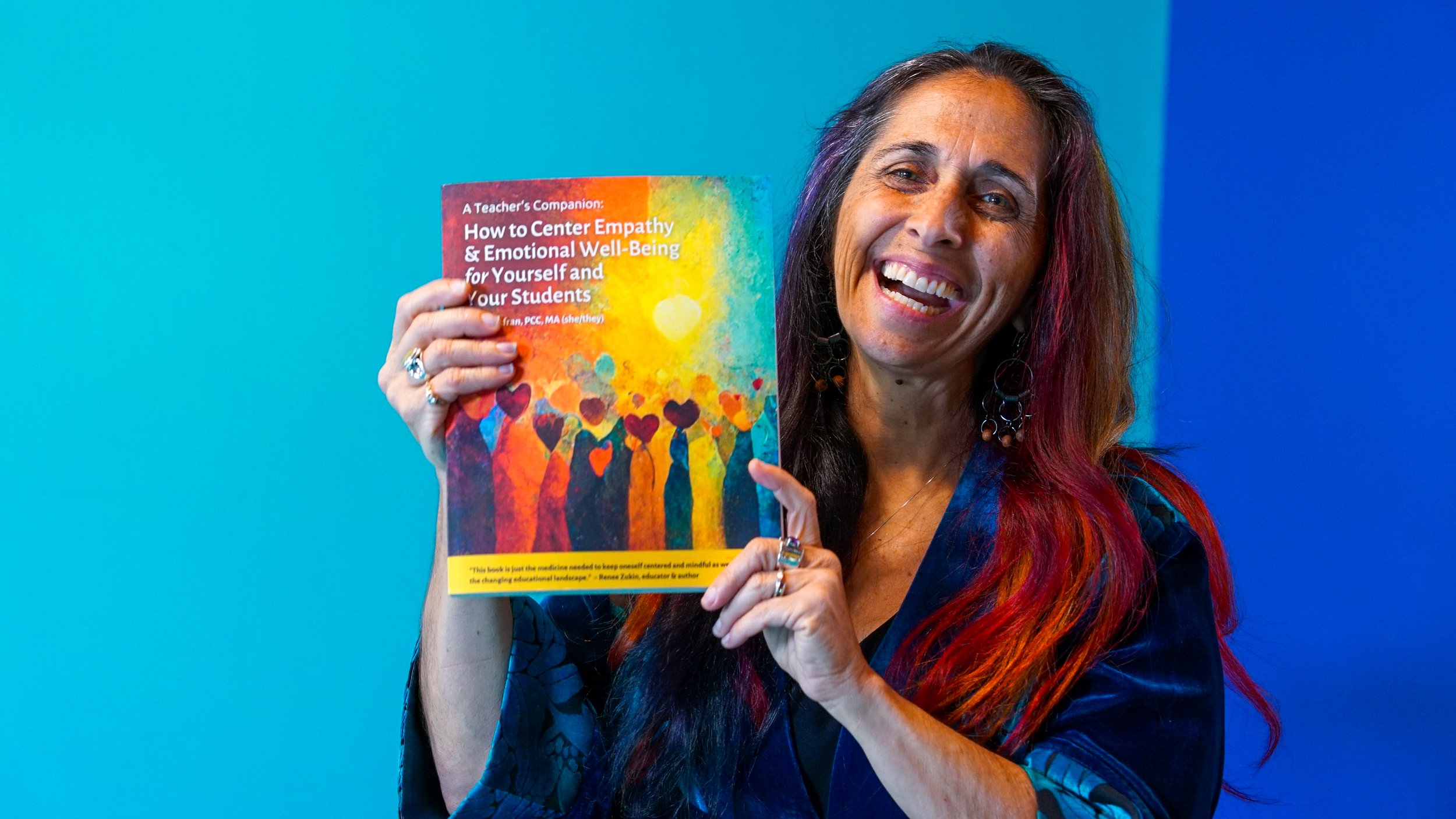
Photo Credit: Misha Safran
Misha Safran is the founder of the Center for Empathy and Emotional Intelligence (CEEQ), an organization dedicated to fostering emotional safety, authentic connection, and understanding in workplaces, classrooms, and communities. With a rich personal and professional background that spans teaching, leadership, and advocacy, Misha’s work is rooted in her own journey of resilience, compassion, and authentic self-expression. She is a speaker, trainer, coach, and author who specializes in empowering individuals and organizations to create spaces where everyone feels seen, heard, and valued through the power of empathy and emotional intelligence.
During the interview, we learned how Misha’s diverse life experiences, ranging from her career as a singer-songwriter and doula to navigating trauma and chronic pain, have shaped her approach to her work today. She shared her insights on building genuine relationships, the importance of patience in networking, and how her queerness informs her leadership style. Misha also discussed her commitment to authenticity, the significance of taking pause amid chaos, and her passion for supporting brands and creators who challenge norms and celebrate diversity. Her story is a powerful testament to the transformative potential of authentic connection and emotional intelligence.
Check out the interview below!
Can you walk us through your personal and professional journey?
I am clear and deeply grateful that every experience in my life has shaped who I am today: the events and people, the joys and pains, the expected and unexpected, the moments of kindness, and the encounters with ugliness.
I was a happy baby, a middle child, and a rebellious teenager. My adventurous spirit led me to be an actor, a union president, and the type of person who still makes a full stop at stop signs. I’ve delivered newspapers on my bike, washed bakery dishes, waited tables, sold products, supported births as a doula, and taught in classrooms. I am a mom who birthed and raised three beautiful boys and also helped raise two bonus children.
Like most humans, I’ve known both healthy and unhealthy relationships, including social, familial, romantic, and professional. I speak three languages (English, French, and Spanish) and have traveled the world meeting remarkable people and experiencing cultures that have expanded my heart and perspective.
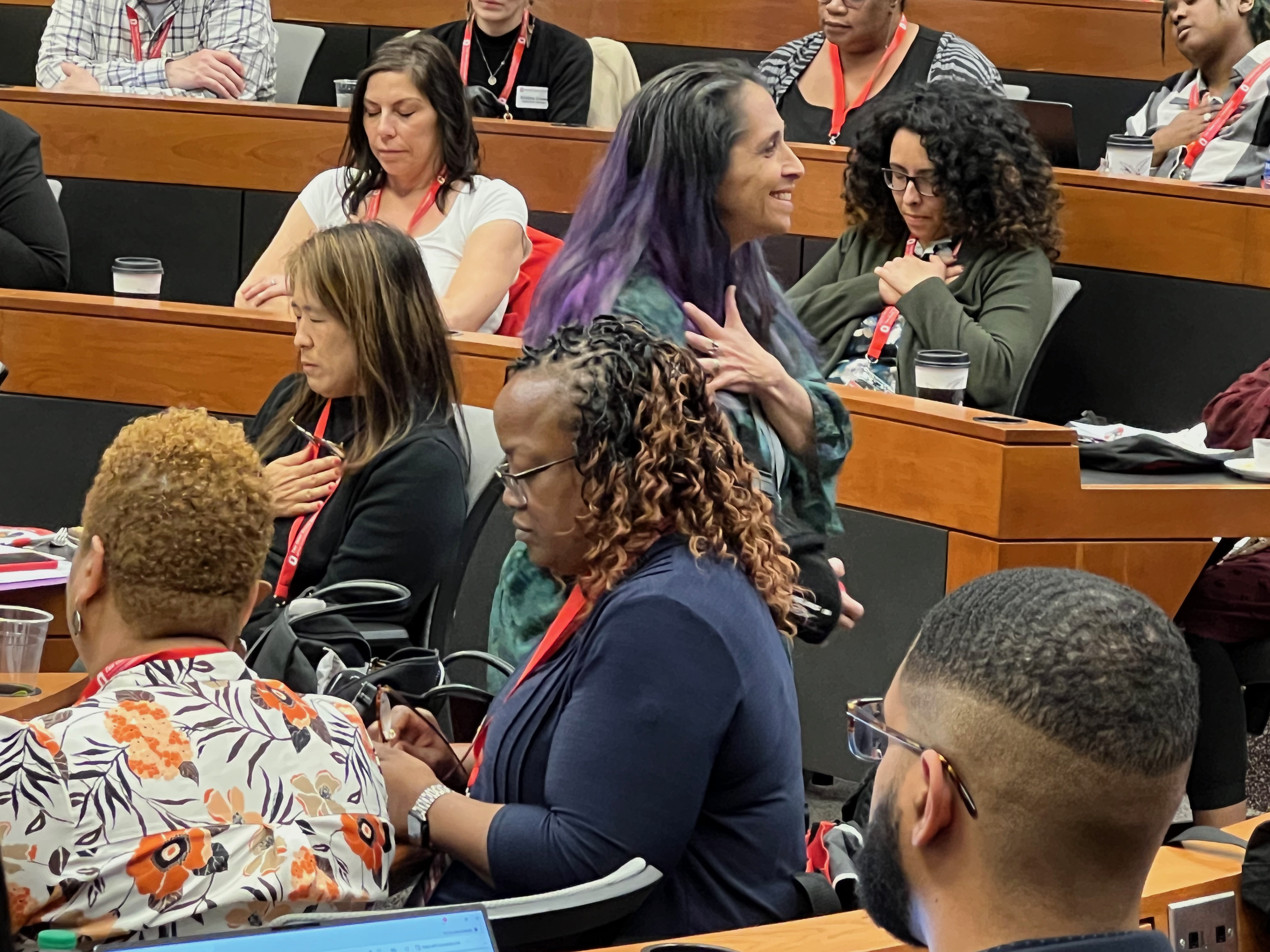
Photo by Misha Safran
I’ve also faced deep challenges. I am a survivor of a suicide attempt, domestic abuse, and sexual violence. I have navigated a broken medical system, becoming my own strongest advocate through seizures caused by medication (which took away my license and job) and fibromyalgia sparked by a car accident, leaving me with ongoing physical pain.
Yet I see the glass as overflowing not out of toxic positivity, but out of a connection to hope. Music has been one of my lifelines; as a singer-songwriter, my original songs help soothe my inner wounds and bring peace to others.
Today, I am proudly queer, an inspiring speaker, engaging emcee, effective leadership trainer, and relationship coach for both home and workplace dynamics. I am the best-selling author of A Teacher’s Companion: How to Center Empathy and Emotional Well-Being for Yourself and Your Students, and I created the ConnectionCatalyst™ Conversation Card Decks on Judgment, Empathy, and Joy & Play. My work has been recognized with 3rd place in the NorCal NSA storytelling contest and the NIH CEO Award for DEIA training.
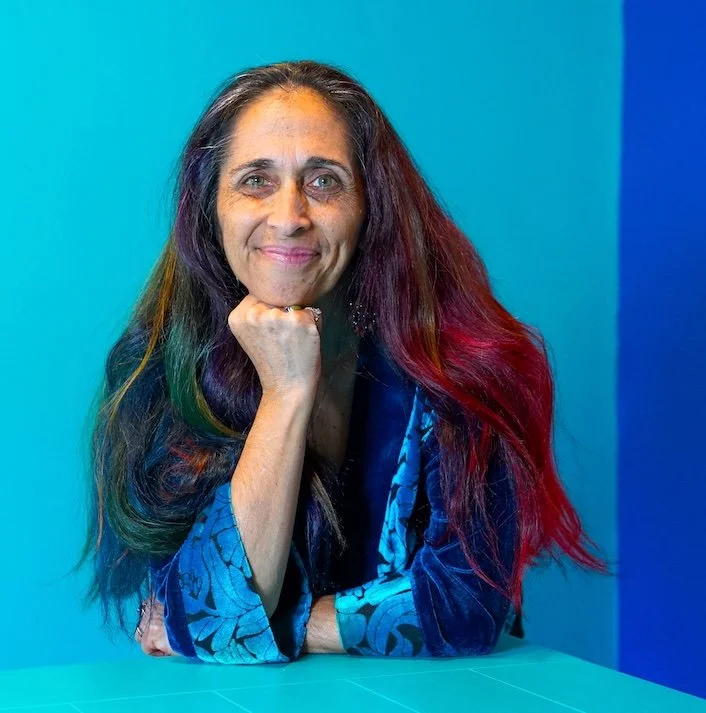
Often wearing rainbow hair in memory of my mom, I have been told I bring light and joy into a room. My greatest superpowers, empathy and emotional intelligence, are not just skills; they are the throughline of my life’s journey, connecting my personal resilience to my professional mission: helping people create spaces where they and others can thrive.
What inspired you to offer the services CEEQ provides?
I offer my services because I’ve lived what happens when empathy, emotional safety, and authentic connection are present and when they’re not. My journey has taken me through extraordinary highs and some of life’s deepest lows: from raising children and traveling the world to surviving trauma, navigating chronic pain, and rebuilding after loss. Through it all, I discovered that the single greatest catalyst for resilience, joy, and thriving relationships, whether at home, at work, or within ourselves, is emotional intelligence rooted in empathy.
For example, I was approached after an event I hosted and was invited to be a trainer for a company. I was excited, so I overlooked some red flags like controlling behavior and microaggressions. After standing up for a colleague being unfairly called out, I realized I needed to leave. Another colleague reassured me that my strength, empathy, and emotional intelligence would serve me well and that I’d find my way. That moment of validation was a turning point, inspiring me to start the Center for Empathy and Emotional Intelligence. Looking back, I appreciate what I learned from that experience and from the person I worked with, even as I recognize the harm caused by their assumptions. I’ve never tried to take advantage of anyone or diminish their work, yet it hurt deeply to be misunderstood in that way. It’s strengthened my commitment to compassion, authenticity, and empowering others to access their own sense of connection.
In every classroom I’ve taught, organization I’ve worked with, and coaching session I’ve led, I’ve seen the same truth: people want to feel understood, valued, and capable of bringing their whole selves into the spaces they inhabit. That’s why I now dedicate my work as a speaker, emcee, trainer, coach, and author to helping individuals, teams, and communities develop the skills and mindsets that make this possible. My services aren’t just about improving performance or relationships, they’re about creating environments where people experience belonging, joy, and meaningful connection.
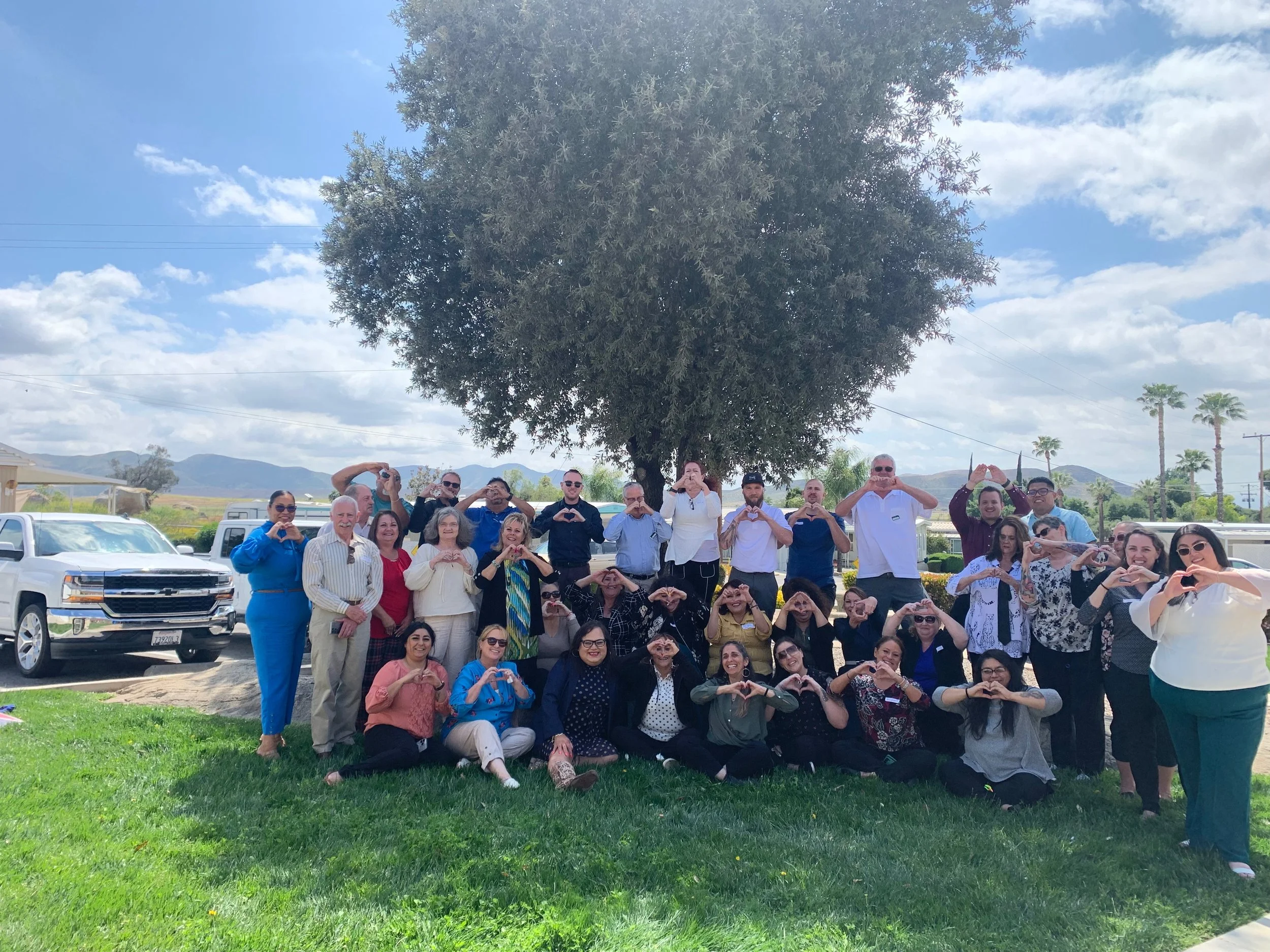
Photo Credit: Misha Safran
What is one of the biggest challenges you have faced in your journey as a service provider, and what did you do to overcome this?
One of the biggest challenges I’ve faced as a trainer was working with a group whose politics and values were very different from mine. On paper, we seemed like an unlikely match, and I knew some participants carried assumptions about me as a liberal, queer, and playful facilitator.
Rather than focusing on our differences, I centered our work on what we had in common, our shared goals for healthier communication, stronger collaboration, and a more respectful culture. As some communities say, it became a “principles over personalities” moment. I listened deeply, adjusted my approach to meet them where they were, and kept the focus on values we could all stand behind.
The result? Our work together was not only successful, but several clients told me afterward that I had shifted their perspective, not just about the content, but about me. They said that despite their initial judgments, they found my presence and style to be a refreshing and positive culture shift.
The lesson for me, and one I share often, is that empathy doesn’t require agreement — it requires connection. When you lead with curiosity, shared purpose, and respect, you can bridge divides that once seemed impossible.
How does being openly queer inspire or impact your business?
Being openly queer isn’t just part of who I am — it’s part of how I do business.
It reminds me every day that visibility matters, that creating spaces where people can be their whole selves changes lives. My queerness deepens my empathy because I understand what it’s like to be misunderstood, underestimated, or judged before someone knows you. It also fuels my creativity and playfulness, helping me approach challenges in ways that are outside the box, sometimes way outside.
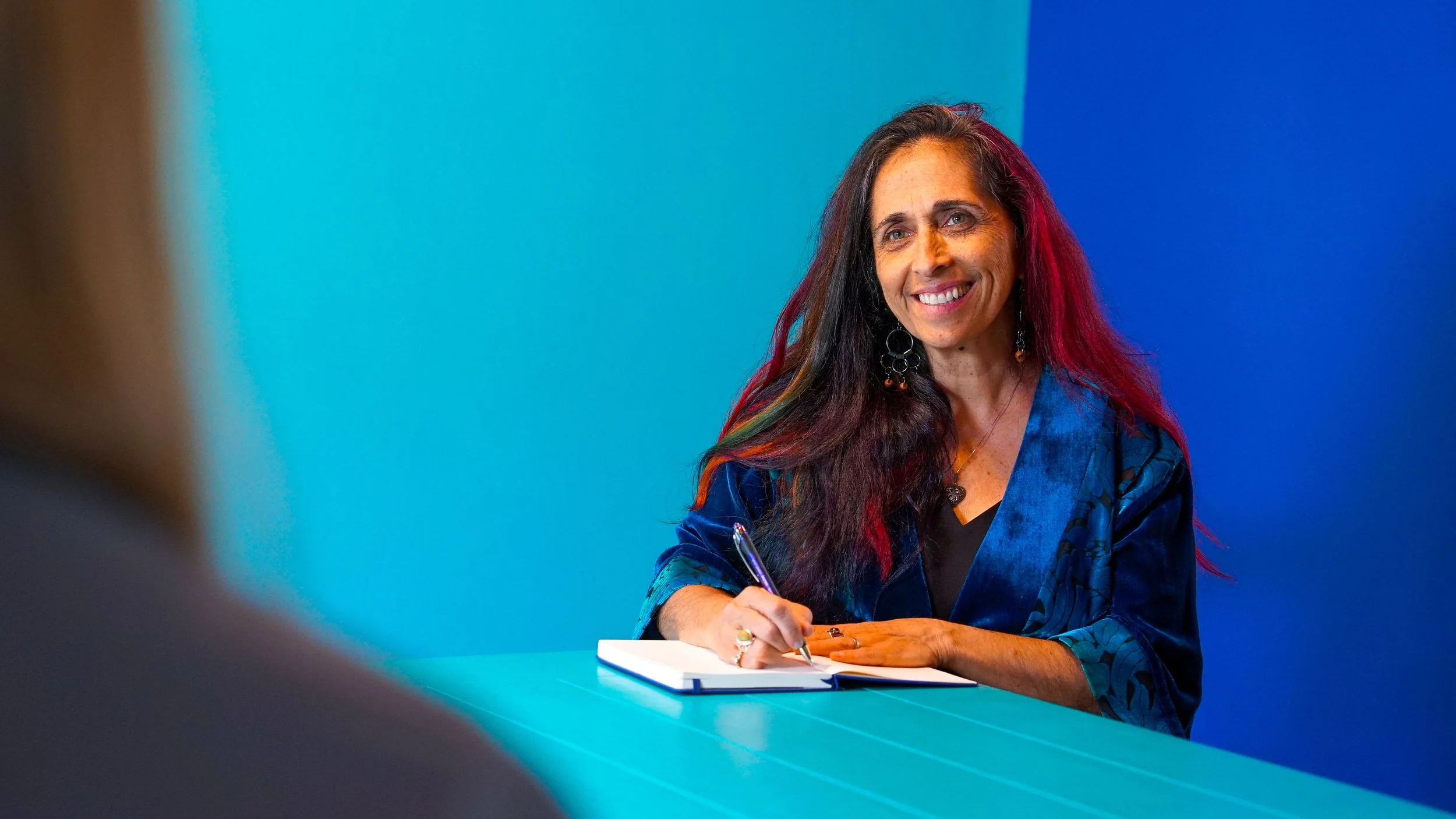
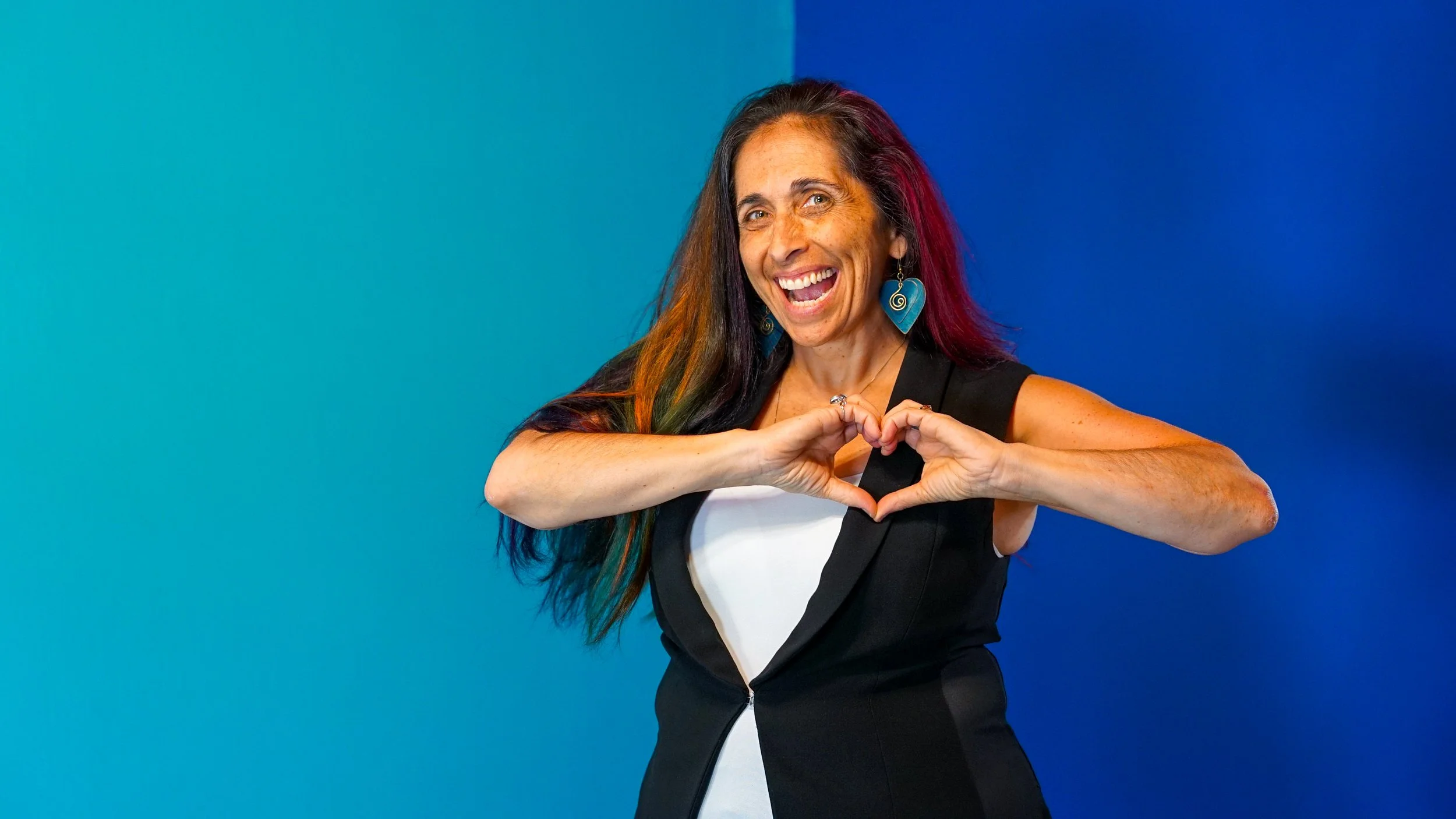
Photo Credit: Misha Safran
By showing up fully as myself, I give silent permission for others to do the same. And when clients see that authenticity in action, it becomes easier for them to bring their full identities into the room, which is where the most meaningful growth, connection, and innovation happen.
If you could give one piece of advice to future LGBTQ+ service providers within your field, what would it be?
First, be your authentic self. The people who need what you offer will find you, and the right clients will resonate with your truth.
Second, just like it takes money to make money, it takes time to save time. It takes patience to build lasting relationships. When building a pool, if you rush to fill it without shaping the walls or sealing the foundation, your energy and impact will seep away. But if you take the time to build it right, it will hold everything you pour in and allow you to swim in it for years. Rushing into referrals or relationships without understanding who someone is can lead to disappointment and misunderstandings.
When we invest genuine time in learning about each other, we create the kind of connections that grow deep and strong.
My mentor, Annie Meehan, taught me we're planting seeds for oak trees, not daisies. Daisies are cute, but they are fragile and can be crushed. Whereas an oak tree takes patience to grow, you may get nervous waiting to hear back from a potential client and feel desperate sometimes because you need to pay the bills, but patience brings you aligned clients you can really serve best! And, the people who become your oak trees will stand behind you, support you, and genuinely know you are the one who can empower the change this world needs.
Third, urgency can cause chaos. If you have an elderly parent or a child running out into the street, urgency is essential. You don’t hesitate, you act immediately. But even in those moments, it’s about looking left and right, making sure you don’t get hit yourself.
Your real superpower is your pause, not your panic. How can you take that moment to breathe, assess the situation, and ask yourself, “What’s really next? What do I truly need to say or do right now?” When you learn to master the pause, even in the midst of chaos, you create space for clarity and connection.
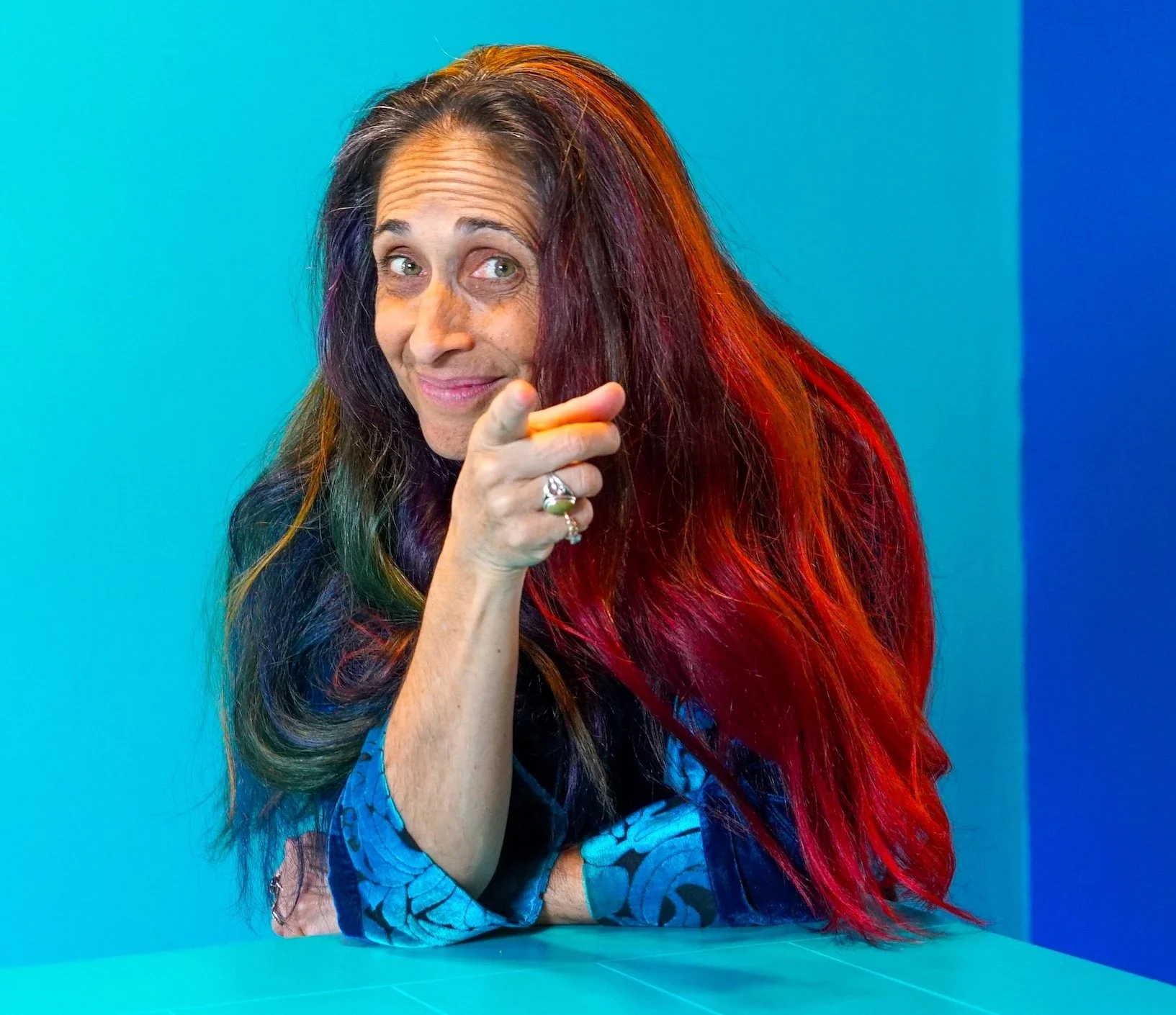
Photo Credit: Misha Safran
What brands or services by LGBTQ+ founders are your go-to's and why?
I love supporting brands and services by LGBTQ+ & ally founders, as well as BIPOC and Disabled creators (not all are LGBTQ+ folx), because their work often carries authenticity, courage, and heart. Some of my go-tos are independent authors and bookstores, musicians and original music, and local grocery stores.
Examples include: A Concrete Rose, Music Producer Leroy Hyson III, Green Flour Bakery, Sarana Community Acupuncture, and our local LGBTQ+ Chamber of Commerce: GGBA.
What draws me to these businesses isn’t just the product — it’s the story, the purpose, and the intention behind it. These founders show up fully as themselves, challenge norms, and create spaces that celebrate diversity, creativity, and community. Supporting them feels like contributing to a world where everyone can be seen, heard, and valued.
Who is your favorite LGBTQ+ celebrity or public figure?
I draw inspiration from LGBTQ+ luminaries like Audre Lorde, Angelica Ross, and James Baldwin. Audre Lorde’s writing and activism taught me the power of truth, self-expression, and the use of your voice to challenge systems of oppression. Angelica Ross inspires me with her courage, authenticity, and leadership in creating spaces for trans and queer people to thrive professionally. And James Baldwin’s work reminds me of the enduring importance of empathy, storytelling, and confronting uncomfortable truths with grace and intellect.
Together, they influence how I show up in my work, encouraging authenticity, emotional intelligence, and bold advocacy while holding space for others to do the same.
Can you share one fun fact about yourself?
One fun or unusual fact about me is that I often wear rainbow hair in memory of my mom. It’s become a joyful signature that sparks conversation, invites curiosity, and reflects my love of color, playfulness, and showing up fully as myself — both in life and in my work.
👉🏽 Take advantage of these exclusive deals with Misha:
1. USE the code SUCCESSNOW at checkout and get $400 OFF your 21-day Joy & Rest Reset System. Usually $499, but for anyone reading this, it will be $99 until the end of 2025! Self-paced online course for your success.
BONUS: There will be a LIVE Q&A with Misha in June 2026 for everyone who has completed the course. More details and to sign up, use this link: https://www.ceeq.org/the-joy-rest-reset
2. Last chance to join the Joy Group Coaching Cohort - Get 20% off monthly plan or annual plan - Act now - enrollment closes December 31st, 2025 for this current cohort. More details here: https://www.ceeq.org/the-joy-group-coaching-circle
Use this CODE at checkout to receive 20% off the monthly payment plan: HEYFAMM20MONTHLY
Use this CODE at checkout to receive 20% off the annual payment plan: HEYFAMM20ANNUAL
